
Last updated November 21, 2026
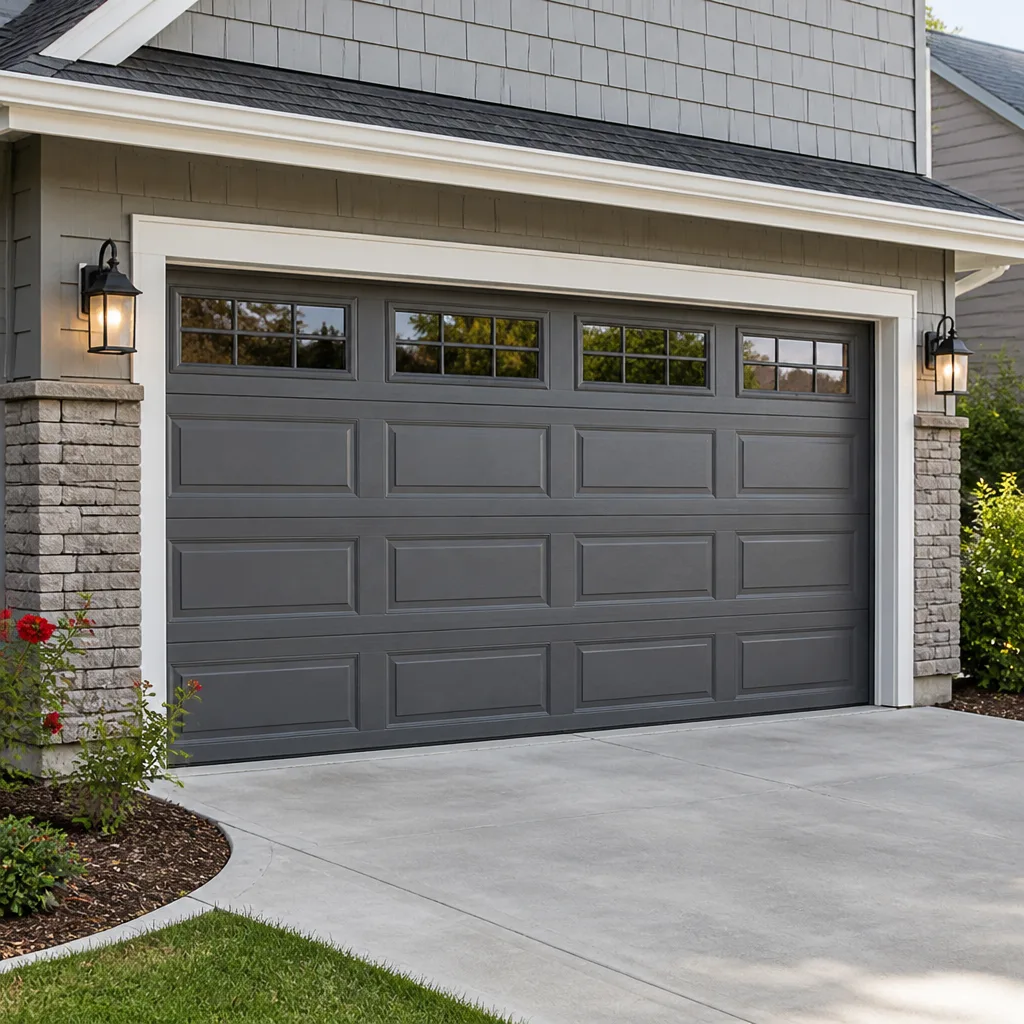 Raised-panel steel
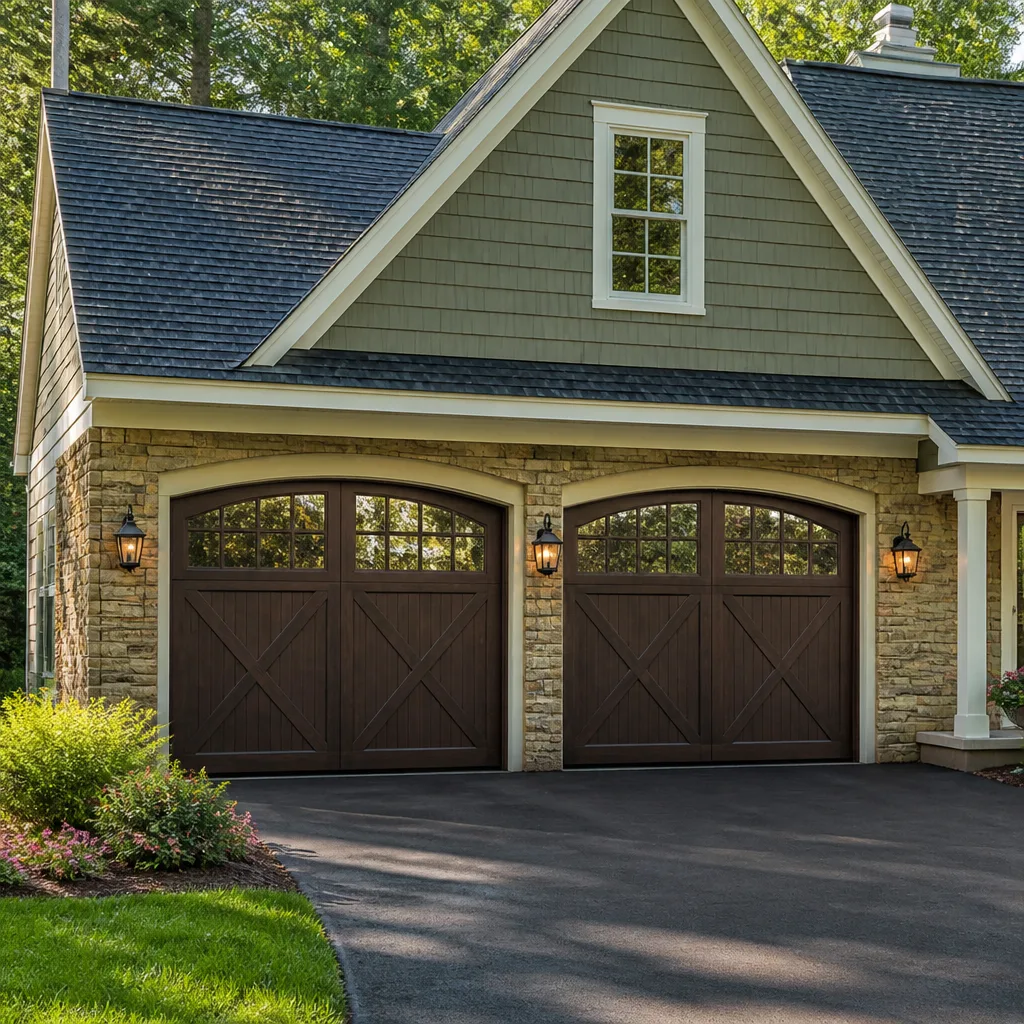 Carriage house
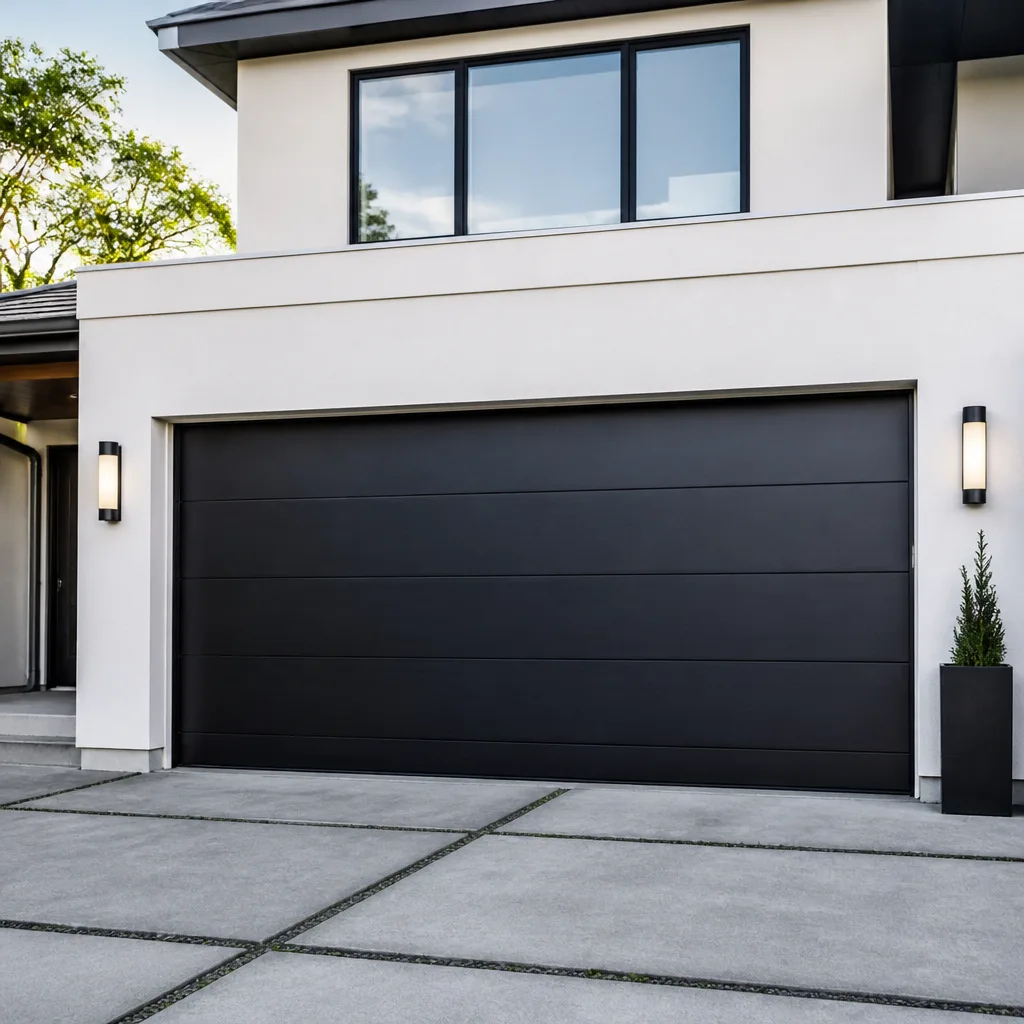 Modern flush
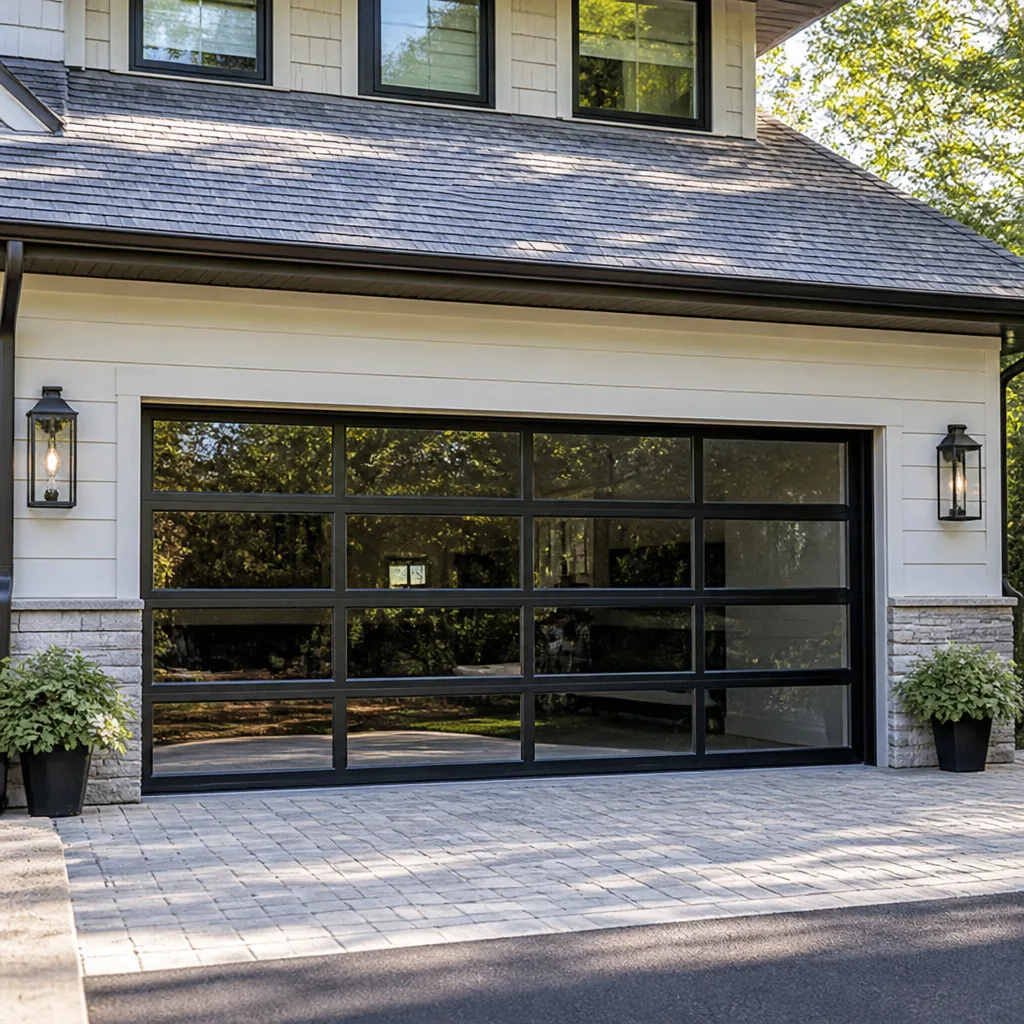 Full-view glass
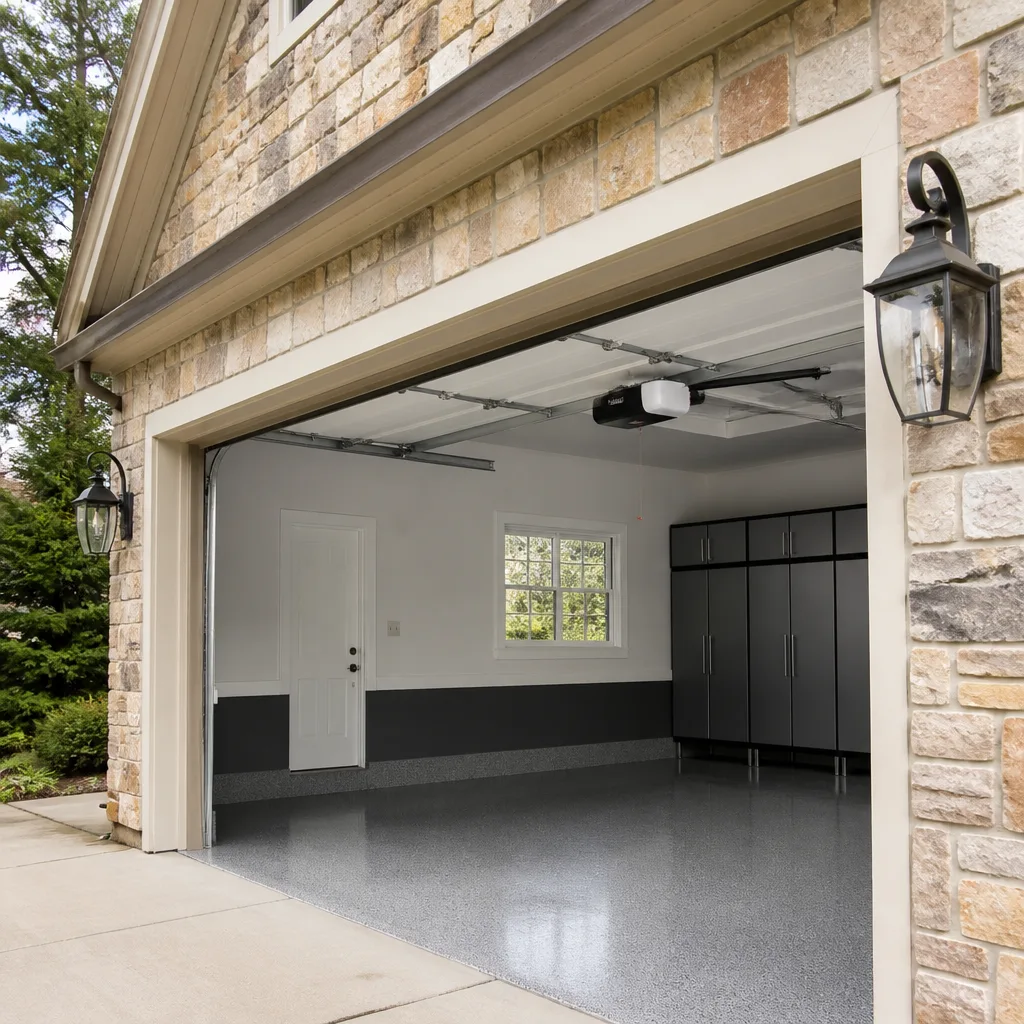 LiftMaster openers
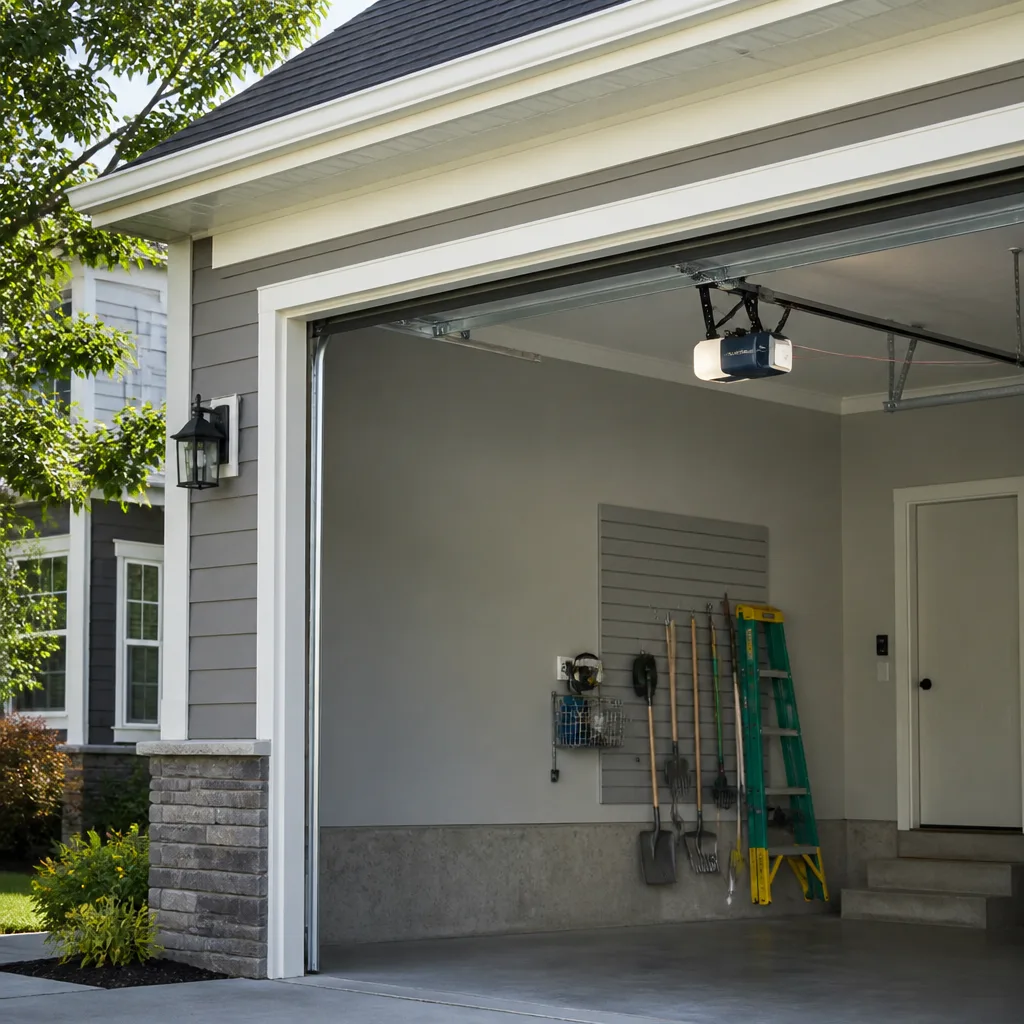 Chamberlain openers
Full 25-point door and opener safety check with every visit - springs, cables, rollers, tracks, and your LiftMaster or Chamberlain opener included
You get a price before we start. It does not change when the pro arrives.
Get your free estimateGarage Door Emergency Preparedness Guide for Rhawnhurst Homes
A snapped torsion spring at 7 AM is not a maintenance problem. It’s a logistics problem with a deadline attached, because your car is on the wrong side of a door that suddenly weighs hundreds of pounds and won’t move. Most Rhawnhurst homeowners respond in one of two ways: they yank the emergency release and haul the door up by hand, which can bend panels and strip opener gears, or they stand in the driveway waiting for someone to rescue them. Neither is necessary. What follows is a decision sequence you can learn in ten quiet minutes and use on the worst morning of your month: how to release the door safely, how to secure it if it’s stuck open overnight, which failures are genuine emergencies, and exactly what to have ready before you call anyone in Rhawnhurst.
Quick Answer
A garage door emergency in Rhawnhurst is any failure that traps a vehicle, leaves the house open, or involves a broken spring or slack cable. Pull the red manual release only when the spring and cables are intact, secure an open door with a clamp or locking pliers before you call, and treat a broken spring as a stop-use condition until a technician arrives. For anything involving high-tension parts, call a professional rather than forcing the door.
Styles & brands we work with
- Raised-panel steel
- Carriage house
- Modern flush
- Full-view glass
- LiftMaster openers
- Chamberlain openers
Table of Contents
- The First Ten Minutes: What to Do Before You Call Anyone
- How Do You Manually Release a Garage Door Opener?
- Why You Shouldn’t Force a Door After a Spring Breaks
- How Do You Secure a Door Stuck in the Open Position?
- Emergency or Not? Triage by Failure Type
- What to Have Ready Before You Call for Repair
- Why Rhawnhurst Doors Fail the Way They Do
- How to Prepare Before Anything Breaks
The First Ten Minutes: What to Do Before You Call Anyone
A garage door failure compresses time. You have somewhere to be, the door won’t move, and the temptation is to solve it with muscle. Resist that for the first few minutes and work through a short checklist instead. The order matters, because the wrong first move can turn a repair into a replacement.
Start by diagnosing where the failure actually is. Is the opener motor running but the door not moving? That points to a release, a stripped gear, or a broken spring. Is the door completely dead with no motor sound? Suspect power, a tripped breaker, or a failed logic board. Is the door sagging on one side or sitting crooked? That’s a cable or track problem, and it’s the most dangerous category.
- Stop pressing the remote. Repeated activation against a jammed door strains the opener’s gears and can burn out the motor.
- Look, don’t touch. Stand clear and look at the springs above the door and the cables running down each side. A gap in a torsion spring, or a spring hanging loose, means the door is now unsupported.
- Check the power source. Confirm the opener is plugged in and the wall switch works. A dead outlet or tripped breaker is the cheapest failure to fix.
- Decide: release or don’t release. If springs and cables look intact, a manual release is safe. If anything looks broken, leave it alone and call.
- Secure the opening. If the door is open, block it from coming down unexpectedly with a clamp on the track before you walk away.
- Call with details ready. Brand, opener model, spring type, and door size shorten the diagnosis on arrival.
That sequence takes less time to run than to read. It also keeps you from the two classic mistakes: forcing a door with a broken spring, and calling without the information that would let a technician arrive prepared. Our technicians have up to 14 years of experience, and the calls that go fastest are always the ones where the homeowner did this five-minute triage first. For a plain repair that isn’t an emergency, our garage door repair page covers the standard service side in more detail.
How Do You Manually Release a Garage Door Opener?
You manually release a garage door by pulling the red emergency cord hanging from the opener’s trolley, but only after confirming the door’s spring and cables are intact. The cord detaches the door from the motor so you can lift it by hand. On a door with a broken spring, that release turns a heavy door into an uncontrolled drop, which is why the safety check comes first.
The release cord is universal in principle, but the exact feel varies by brand. Here’s what to expect across the common openers in Rhawnhurst homes.
- LiftMaster and Chamberlain: these two share the same trolley design, and the red cord hangs from the carriage. A firm downward pull at a slight angle toward the door usually frees it. If it resists, don’t yank harder; the trolley may be under tension.
- Genie: the release is typically a red handle on a short chain or cord near the rail. Some Genie models use a slide release that needs a sideways pull rather than straight down.
- Craftsman and Raynor openers: older units sometimes have a lever-style release rather than a cord. Locate it on the trolley before you need it, not during an emergency.
Once the door is detached, lift it slowly with both hands, keeping your body clear of the door’s path. A properly balanced door should rise with moderate effort and stay up on its own once you’re past halfway. If it feels heavy, won’t stay up, or drifts back down, the springs are compromised and you should lower it gently and stop.
When you’re done, re-engaging the door means running the opener until the trolley clicks back into the carriage, usually by pressing the wall switch once the door is in the down position. If it won’t re-engage, the carriage may be misaligned. This is one of the situations where a technician can save you an afternoon of frustration. If the opener itself is the problem, our garage door opener repair page explains what fails and why.
One safety note that bears repeating: never pull the release on a door whose spring is visibly broken or whose cable is dangling. Those components store enormous energy, and releasing the door can let it fall or let a cable snap. That’s a professional job.
Why You Shouldn’t Force a Door After a Spring Breaks
When a torsion spring breaks, the door loses the counterbalance that makes it feel light. From that moment, the full weight of the door rests on the opener, the cables, and you. Forcing it up does damage in several directions at once, and some of that damage isn’t visible until the next failure.
Here’s the mechanical reason. A torsion spring winds around a shaft above the door and stores energy that offsets the door’s weight. When it snaps, that stored energy releases, and the door’s entire load transfers to the lift cables and the cable drums at each end of the shaft. The drums are metal spools that guide the cable; if the cable jumps the drum while the door is being forced, it can bind, fray, or come off entirely. On an extension spring setup, the same thing applies to the pulleys and cables along the tracks.
- Cable drum damage: forcing the door can pull the cable off its drum, which then requires drum replacement, not just a new spring.
- Opener gear stripping: the motor wasn’t designed to lift the door’s full weight and will strip its drive gear trying.
- Panel and track bending: lifting an unbalanced door pulls it off square, and bent tracks cause the door to bind even after the spring is fixed.
- Personal injury risk: a torsion spring under tension can cause serious injury if it releases while you’re working near it. This is a component for trained hands only.
So “don’t use the door” doesn’t mean “don’t touch it in a panic.” It means leave it in place, secure it if it’s open, and treat the spring as a live component until a technician neutralizes it. In Rhawnhurst, where many homes have doors that have been in place through dozens of seasonal cycles, spring fatigue is a common finding, and the failure usually happens without warning. If a spring has gone, spring repair is the front-line fix; we handle torsion and extension work directly rather than referring it out, so the same visit that diagnoses the break can usually resolve it. Our technicians treat springs as a safety issue first and a repair second.
How Do You Secure a Door Stuck in the Open Position?
You secure an open garage door by clamping the track just above a roller, or by using locking pliers on the track below the bottom roller, so the door can’t slide down. The goal is a mechanical stop that doesn’t damage the door’s hardware. Tape, rope, and hope are not stops.
A door stuck open overnight is a security problem and a weather problem. In Rhawnhurst, the practical concern is simple: an open garage is an open invitation, and the door needs to stay put until a technician can deal with it. Work through these methods in order of preference.
- Vise-Grips on the track: clamp a pair of locking pliers onto the vertical track just below the bottom roller, tight enough that the roller can’t pass. This is the most reliable temporary stop and won’t harm the track if you use moderate pressure.
- C-clamp above a roller: a C-clamp tightened around the track above a mid-door roller does the same job from the other direction, preventing the door from dropping.
- Wooden wedges under the bottom section: if the door is only slightly open, tap wooden shims under the bottom edge to take the load. Never use your body or a hand as a wedge.
- Manual lock or slide bolt: many older Rhawnhurst doors still have a manual slide lock on the inside. Engage it if the door is fully down; if it’s stuck open, it won’t help, which is why the track clamp matters.
What not to do: don’t prop the door with a broom handle, a brick, or a chair. Those fail under the door’s weight, and the door comes down hard. Don’t tie the door to the tracks with rope, which can pull the track out of alignment. And don’t leave the door open with the release disengaged and the door hanging on a broken spring; if the door is partially open and unsupported, lower it carefully with help and clamp the track before walking away.
Once the opening is secure, call and book the repair. We answer 24/7, and a call outside dispatch hours gets booked into the next opening, Sunday through Friday, 7am to 7pm. Fast dispatch from 7am to 7pm means most secured doors get seen the next working morning.
Emergency or Not? Triage by Failure Type
Not every garage door failure is an emergency. Some can wait until morning without any safety or security risk; others need same-day attention because the house is exposed or a vehicle is trapped. Knowing which is which keeps you from panicking over a minor issue and from waiting on a serious one.
Here’s how we’d sort the common failures.
- Broken torsion or extension spring: emergency-adjacent. The door can’t be used safely, and if it’s open it needs securing. Same-day service. This is a safety-critical failure, full stop.
- Door stuck closed with a car inside: emergency if you need the car. Otherwise it’s a same-day repair. A manual release may get you out if the springs are intact.
- Door stuck open: emergency from a security standpoint. Secure it immediately with a track clamp, then book the repair.
- Off the tracks or crooked: emergency. A door hanging off its track can fall. Don’t operate it; call.
- Cable snapped or slack: emergency. A loose cable under tension is dangerous and can whip. Keep clear and call.
- Opener runs but door doesn’t move: same-day. Often a release or gear issue, not usually dangerous.
- Opener won’t respond to remote but wall switch works: non-emergency. Remote, battery, or sensor issue. Can wait until morning.
- Safety sensors misaligned: non-emergency. The door reverses or won’t close; a realignment or new sensor fixes it. Schedule it.
- Noisy or slow door: non-emergency. Lubrication and adjustment. Book it at your convenience.
The dividing line is simple: if someone could get hurt or the house is standing open, it’s an emergency. If the door is safe, closed, and just not working right, it can wait for a scheduled visit. Our emergency service exists for the first category. For the second, a standard appointment is the right call, and a proper diagnosis still comes first.
What to Have Ready Before You Call for Repair
Having the right details ready before you call can cut diagnostic time on arrival and get you a more accurate estimate. You don’t need to be an expert; you need four pieces of information and a couple of observations.
Gather these before you dial.
- Door measurements: the width and height of the door opening. A rough tape measurement is fine; exactness can come at the measure.
- Opener model: the brand and model number on the motor unit, often on a label on the back or under the light cover. LiftMaster, Chamberlain, Genie, Craftsman, and Raynor each have different release and diagnostic quirks.
- Spring configuration: torsion (a horizontal spring on a shaft above the door) or extension (springs running along the tracks on each side). Note whether one or two springs are present.
- What the door is doing: won’t open at all, opens partway and stops, runs but doesn’t move, or moves crooked. Specific symptoms point straight to a cause.
- Any sounds: a bang, a snap, a grinding, or a pop. A loud bang usually means a spring broke.
- Whether the door is open or closed right now. This determines urgency and whether you need to secure it.
With those in hand, the conversation is short. We know before the call ends whether it’s a spring, an opener, or a track issue, and roughly what the visit will involve. It also lets us arrive with the right parts mindset. We work on major brands including LiftMaster and Clopay, and a technician who knows your hardware before pulling into the driveway spends less time figuring out and more time fixing.
One more thing to have ready: a clear path to the garage and the door’s work area. Moving a car or clearing boxes ahead of arrival saves time and keeps the diagnosis moving.
Why Rhawnhurst Doors Fail the Way They Do
Garage doors in Rhawnhurst live through a specific set of stresses. The neighborhood’s housing stock includes a large share of mid-century row homes and twins, many with single-car garages and original or lightly updated doors. Those doors have cycled up and down thousands of times, and the parts that wear are the same ones on every door: springs, cables, rollers, and opener gears.
The local climate drives the failure patterns. Rhawnhurst summers bring heat and humidity that swell wood doors and work the springs harder through expansion; winters bring freeze-thaw cycles that stiffen lubricants and stress seals and weatherstripping. A door that felt fine in October can feel heavy in January because the grease on the rollers has thickened. That added resistance is what pushes a fatigued spring over the edge, and it’s why spring failures cluster around the first cold snaps and the first hot weeks.
Row-home construction adds a twist. Many Rhawnhurst garages share walls with neighboring units, so track alignment and door balance matter more than on a detached garage, and a door that’s off square can rub against a shared frame. Older single-car doors are also narrower and often heavier per panel than modern insulated doors, which is worth knowing when you’re deciding between repair and garage door installation.
We see the same handful of failure types over and over in Rhawnhurst: torsion springs that snap without warning, extension springs that stretch and lose tension, opener gears that strip when a heavy door is forced, and safety sensors knocked out of alignment. None of it is unusual, and all of it has a known fix. The point of this guide is that knowing the pattern ahead of time turns a panic into a plan.
How to Prepare Before Anything Breaks
Preparedness for a garage door emergency is mostly a set of small habits done in calm weather. The goal is that when something fails, you already know where the release cord is, what your opener model is, and how to secure the door without thinking.
Run through this list once and you’re covered.
- Find your manual release now. Locate the red cord or lever on the trolley and practice the pull once with the door down. Knowing the feel in advance removes the hesitation that causes injury later.
- Write down your opener model. Snap a photo of the label on the motor unit and keep it in your phone. It’s the single most useful detail when you call.
- Note your spring type and count. A quick look above the door tells you whether you have torsion or extension springs and how many.
- Keep a pair of locking pliers in the garage. A clamp is the best temporary stop for an open door. Keep it somewhere you can reach without moving a car.
- Test the safety sensors monthly. Wave an object in front of the photo-eye sensors and confirm the door reverses. Misaligned sensors are the most common “door won’t close” cause.
- Lubricate rollers and hinges. A small amount of garage-door lubricant on the moving parts reduces strain on the opener and springs, especially before winter.
- Check balance twice a year. With the door disconnected, lift it halfway; it should stay put. If it drifts, the springs are losing tension.
None of this is complicated, and none of it requires tools beyond a phone and a pair of pliers. It’s the difference between a homeowner who reacts well and one who forces a door and doubles the repair bill. Our technicians have up to 14 years of experience, and a balanced, lubricated, sensor-checked door is the one that lasts longest.
Common Mistakes to Avoid
- Forcing a door with a broken spring. The door weighs far more than the opener can handle, and forcing it strips gears and can bend panels or pull the cable off its drum.
- Pulling the manual release without checking the springs. On a door with a broken spring, releasing it can let the door drop or a cable snap. Check first, release second.
- Pressing the remote over and over on a jammed door. Each press strains the opener’s gears and motor. If it doesn’t move after one try, stop and diagnose.
- Prop bracing an open door with a broom or chair. These fail under the door’s weight. Use a clamp or locking pliers on the track instead.
- Standing under an unbalanced door. A door that’s off its track or hanging on one cable can fall without warning. Keep clear and call.
- Calling without your opener model and door size. In Rhawnhurst, a quick photo of the motor label and a tape measurement save diagnostic time on arrival.
- Ignoring a noisy or slow door. Grinding or sluggishness usually means a worn part is about to fail. Addressing it early is cheaper than an emergency call.
- Assuming a general handyman can fix a spring. High-tension springs are a specialist job, and the wrong repair can leave a door dangerously out of balance.
See the difference
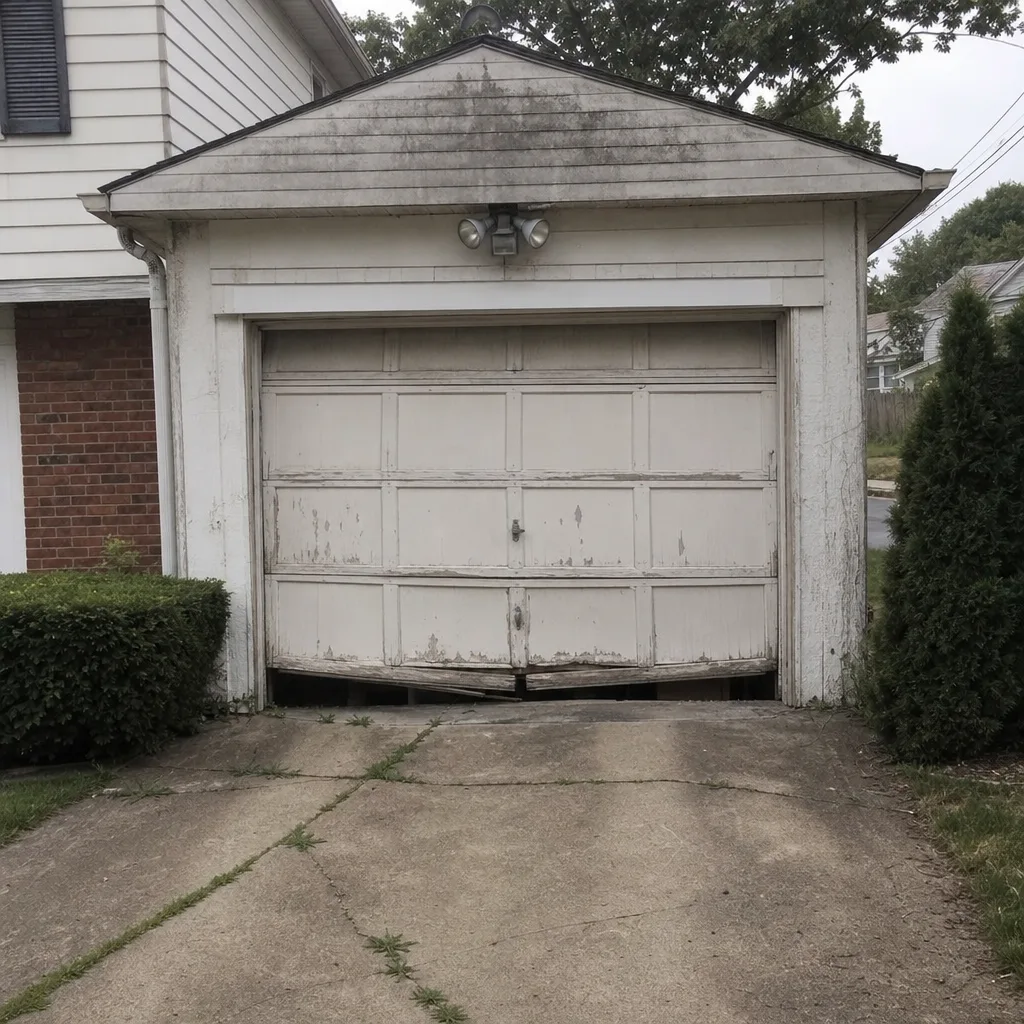 Before
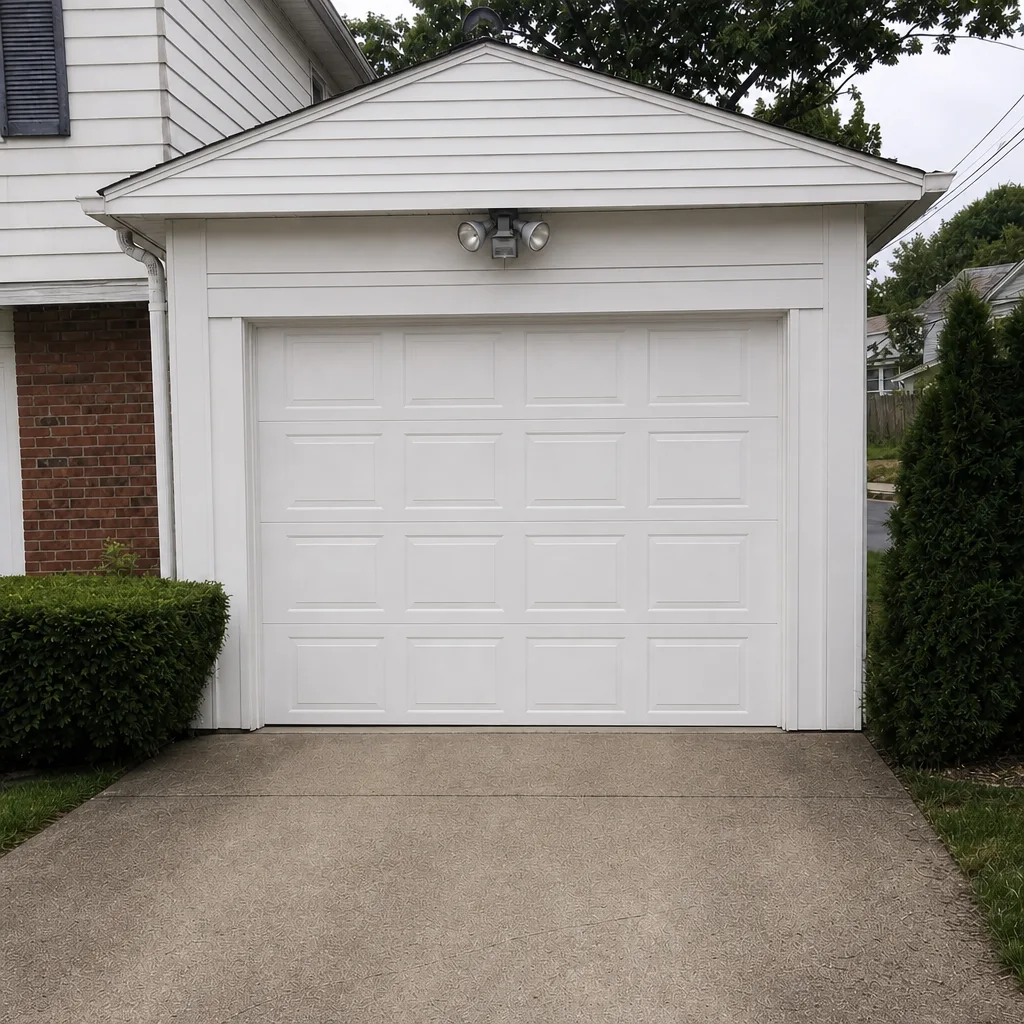 After
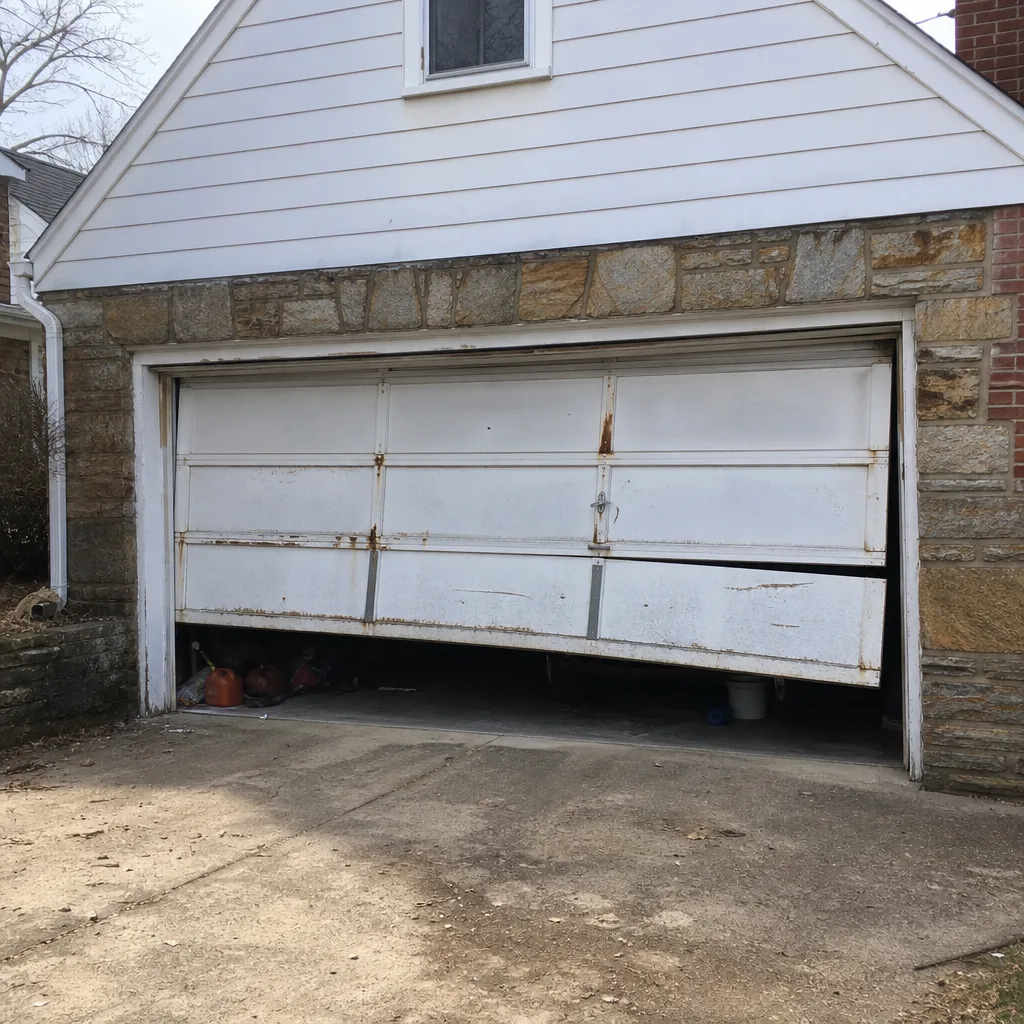 Before
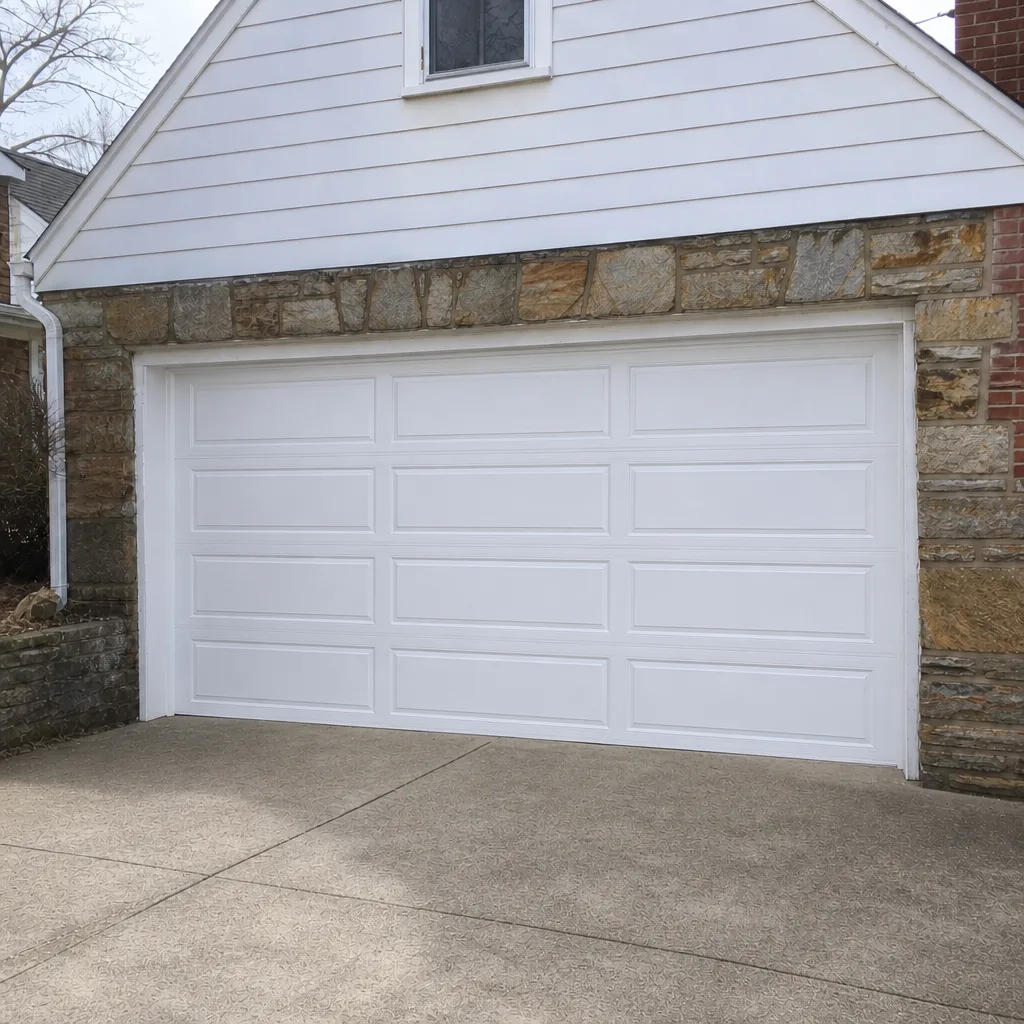 After
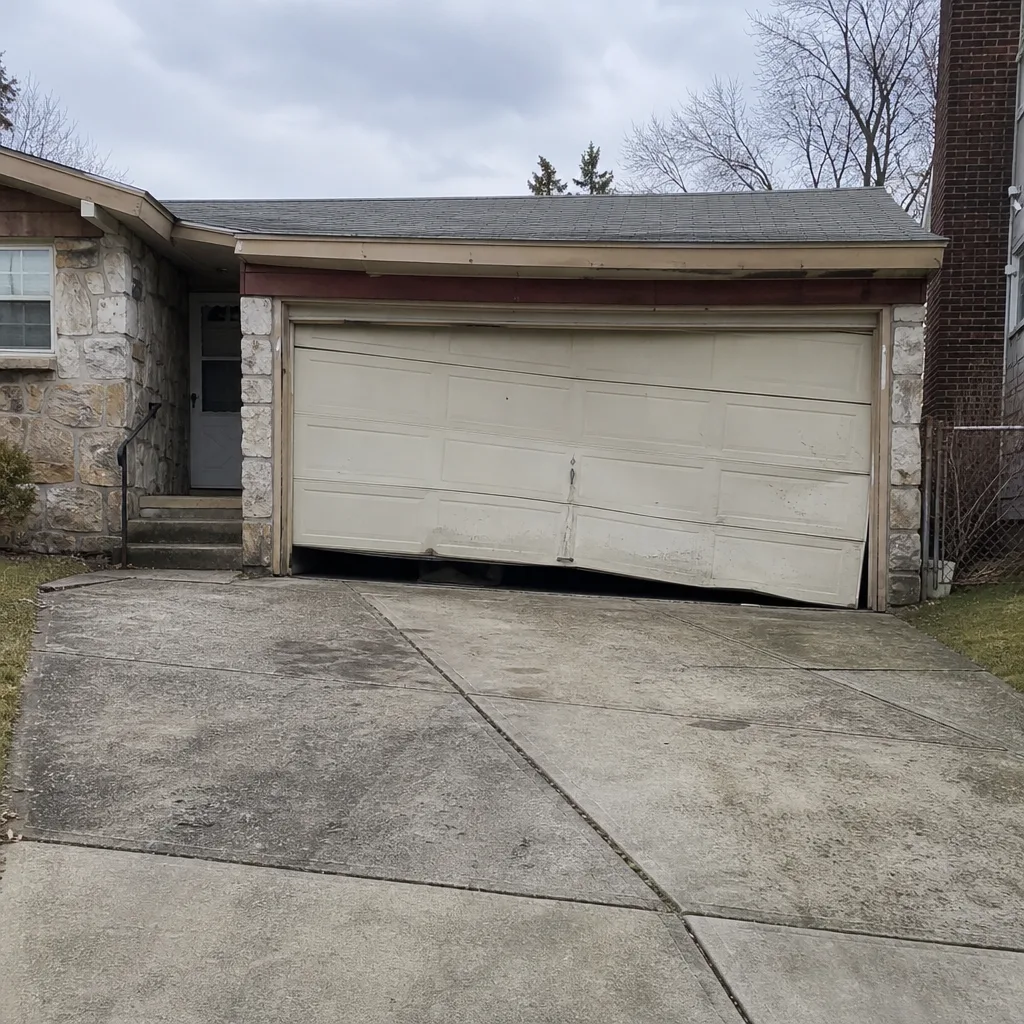 Before
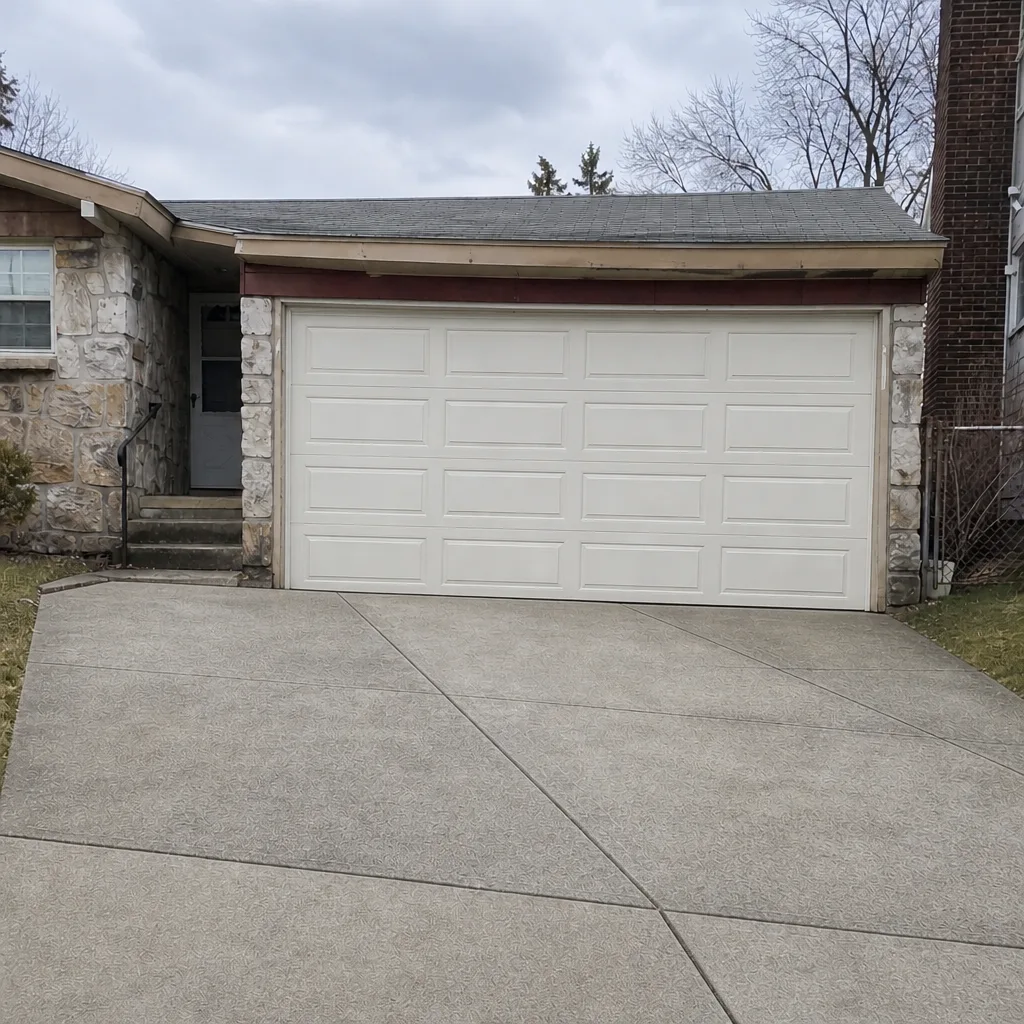 After
When to Call a Professional
Call a professional any time the failure involves a broken spring, a slack or snapped cable, a door off its tracks, or a door that’s stuck open and can’t be secured. Those are the situations where the energy stored in the door’s hardware can cause serious injury and where the fix requires trained hands. Call same-day if a car is trapped or the house is standing open. For a misaligned sensor, a dead remote, or a noisy door, you can schedule a standard visit without urgency.
Garage Door Repair Rhawnhurst is a dedicated garage door specialist, not a general handyman operation, so every job is a garage door job. We offer free estimates in Rhawnhurst. Call (877) 492-3530. We answer 24/7. Fast dispatch from 7am to 7pm, Sunday through Friday.
Frequently Asked Questions
No, you shouldn’t. A broken spring means the door’s weight is no longer counterbalanced, so lifting it by hand can cause it to come down or a cable to snap. Secure the door where it is and call a technician to replace the spring.
Check the power source and look for a broken spring before doing anything else. Confirm the opener is plugged in and the wall switch works, then inspect the springs above the door; if you see a gap or a loose spring, stop and call rather than forcing the door.
Clamp the track just below the bottom roller with locking pliers or a C-clamp so the door can’t slide down, then call to book the repair. Don’t rely on a broom, brick, or rope to hold it. Call (877) 492-3530 to get it scheduled; we answer 24/7.
It’s a safety-critical failure that needs same-day service, because the door can’t be used safely and may need securing if it’s open. A broken spring isn’t a wait-until-next-week problem. Call (877) 492-3530 for an exact quote; estimates are free.
The written estimate sets the final price, and we quote and agree on it before any work starts. If the diagnosis reveals additional damage, we explain it and get your approval before proceeding, so there are no surprises on the invoice. Call (877) 492-3530 for a free estimate.
We offer same-day service for repair and emergency calls, including doors stuck open, stuck closed, or off their tracks. We answer 24/7, and fast dispatch from 7am to 7pm handles most same-day requests. Call (877) 492-3530. We answer 24/7. Fast dispatch from 7am to 7pm, Sunday through Friday.
The local pro we connect you with is licensed and insured as their state requires, and specializes exclusively in garage door systems. Every job is a garage door job, not general handyman work. Call (877) 492-3530 for a free estimate.
The Bottom Line
A garage door emergency in Rhawnhurst is survivable if you have a plan in place before it happens. The short version: never force a door with a broken spring, always check the springs before pulling the manual release, secure an open door with a track clamp before you walk away, and gather your door size and opener model before you call. Know which failures need same-day service and which can wait until morning. Do that, and the first ten minutes of a bad morning stay under control instead of turning a repair into a replacement. Call (877) 492-3530 for a free estimate.
Written by the team at Garage Door Repair Rhawnhurst.