
Last updated November 21, 2026
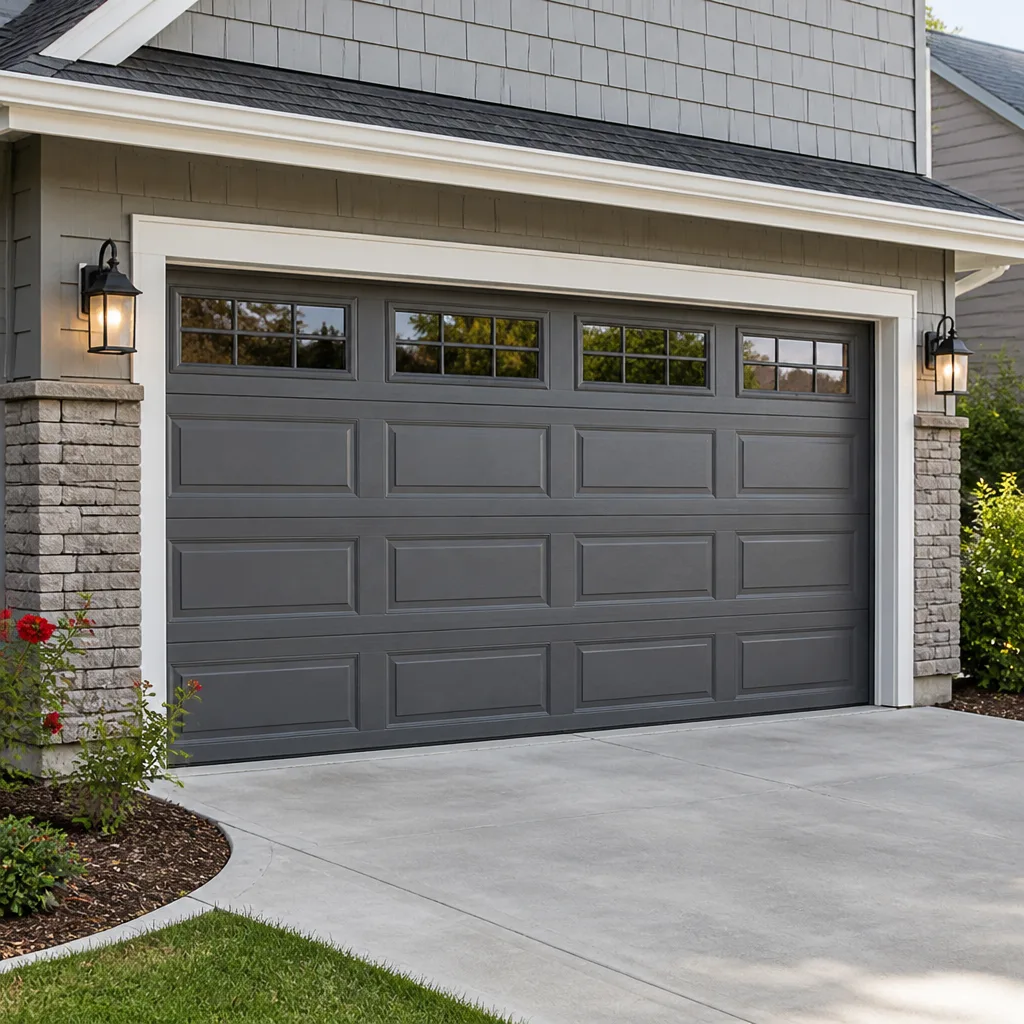 Raised-panel steel
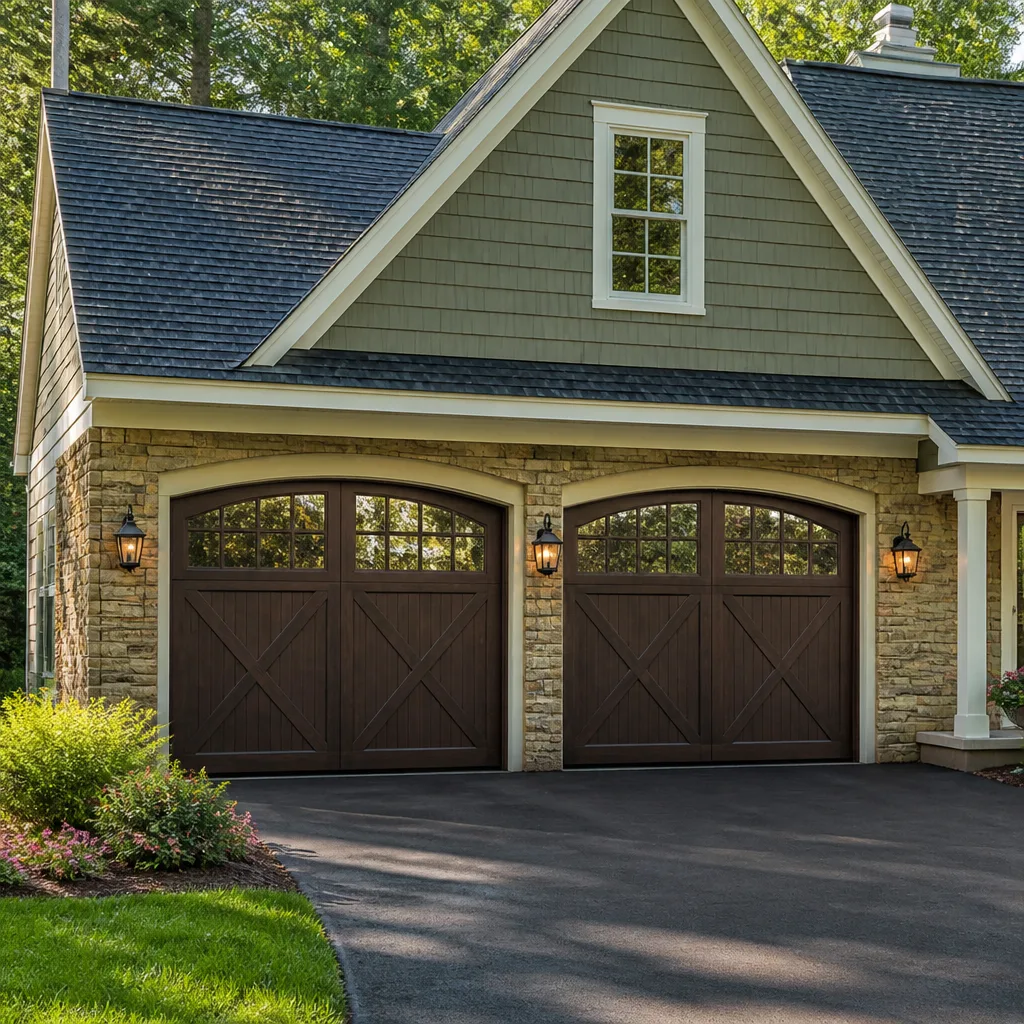 Carriage house
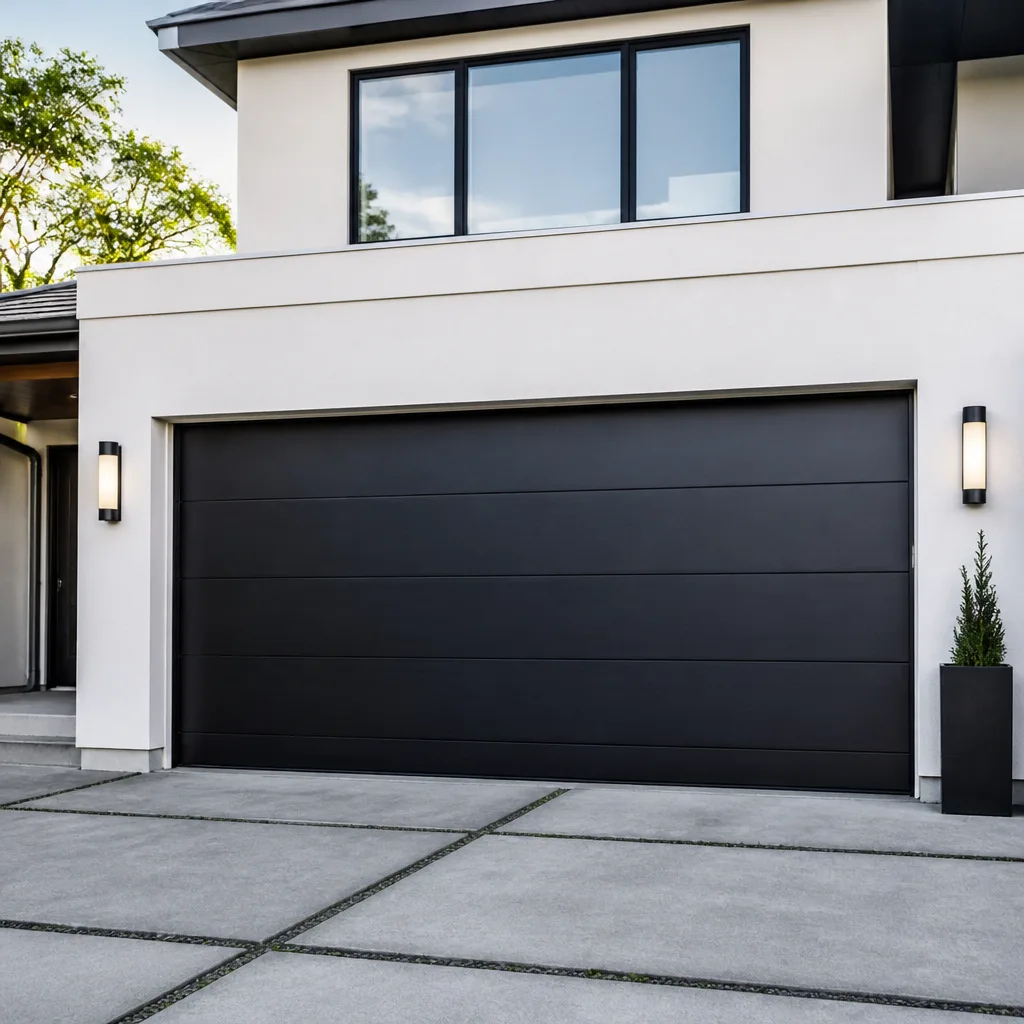 Modern flush
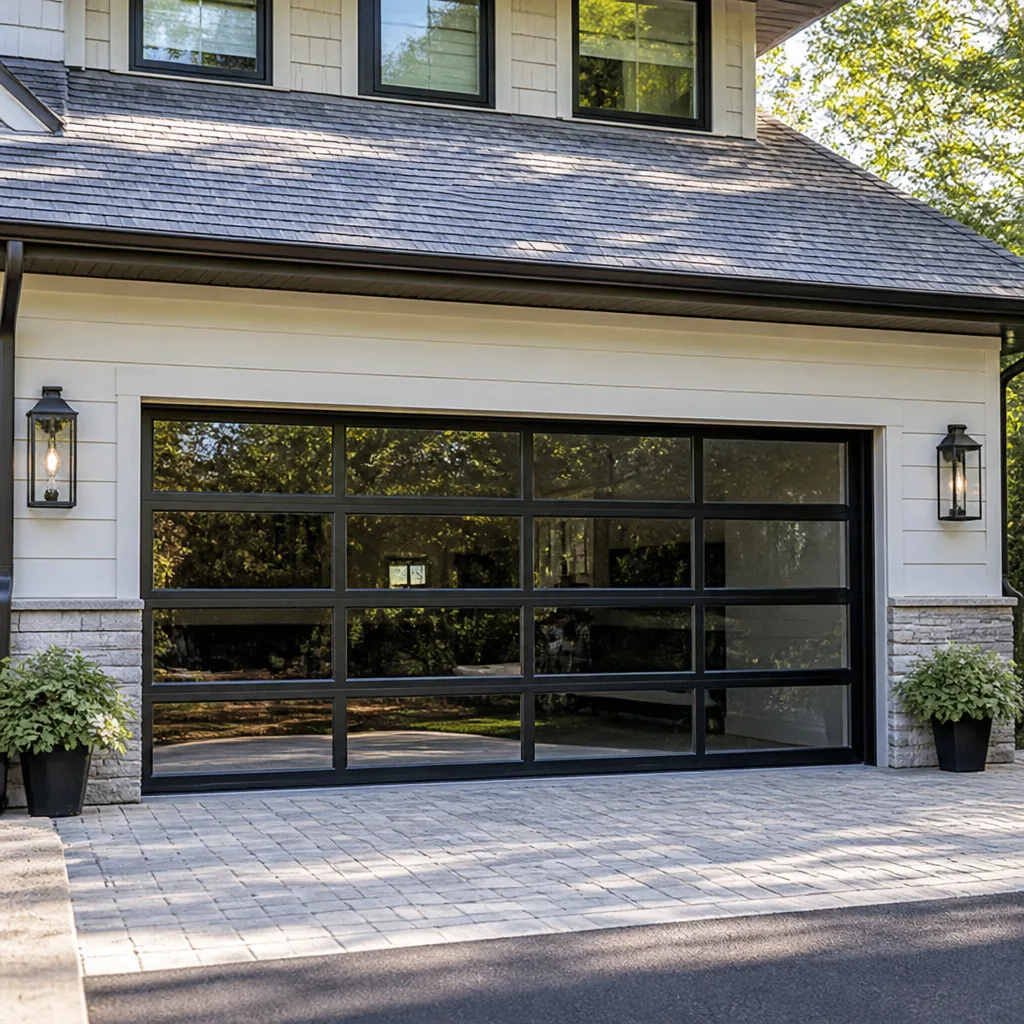 Full-view glass
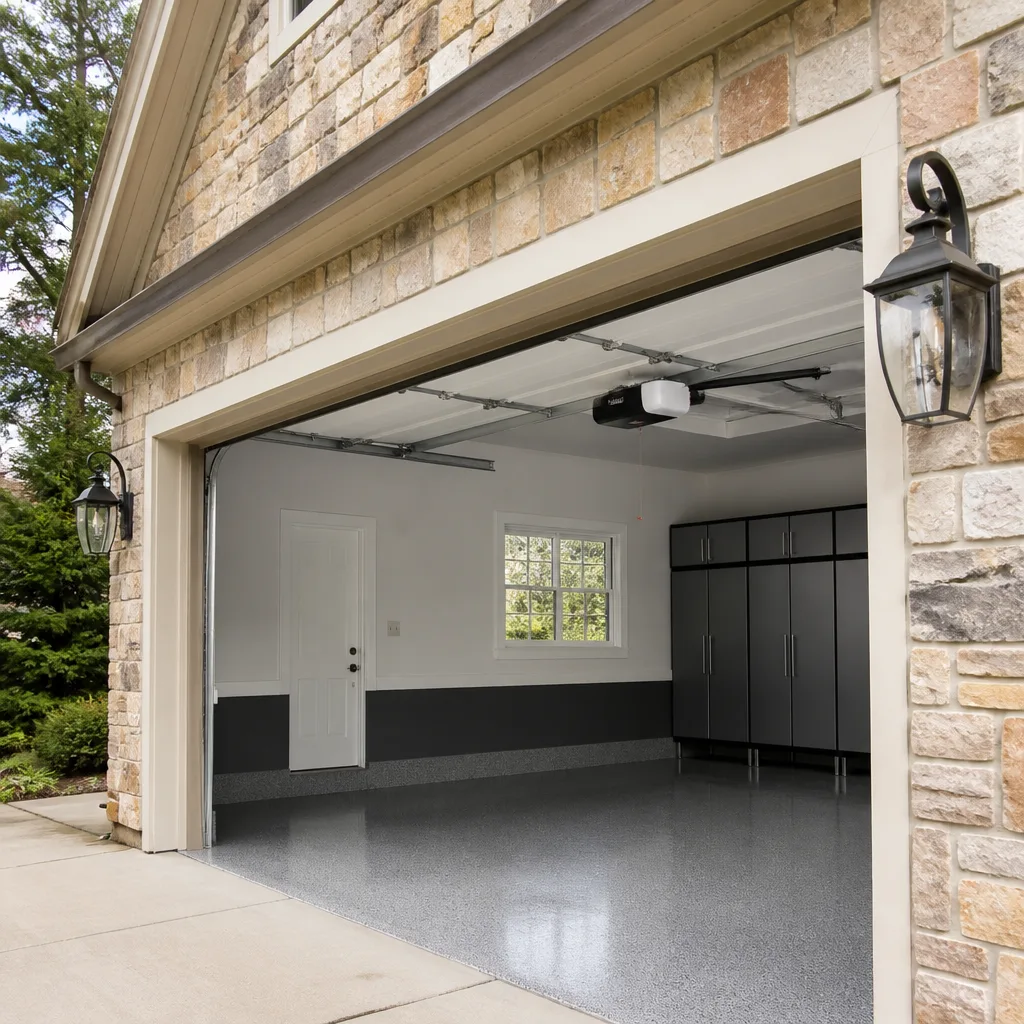 LiftMaster openers
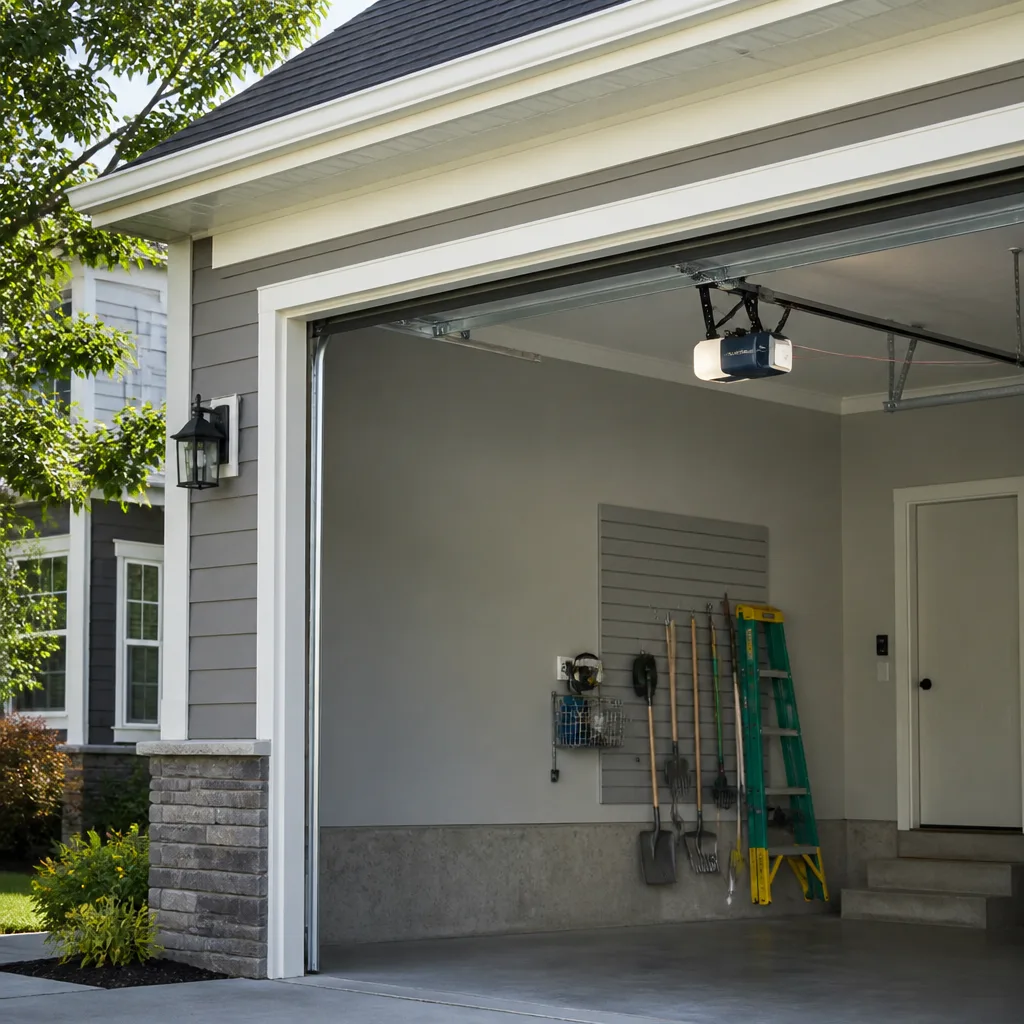 Chamberlain openers
Full 25-point door and opener safety check with every visit - springs, cables, rollers, tracks, and your LiftMaster or Chamberlain opener included
You get a price before we start. It does not change when the pro arrives.
Get your free estimateSeasonal Garage Door Care for Rhawnhurst: Year-Round Homeowner’s Guide
Most garage door advice tells you to “check things twice a year” and leaves it there. That advice misses the way Rhawnhurst weather actually works. A steady cold winter is gentler on door hardware than what we get here, where the temperature can swing above and below freezing several times in a single week. That repeated expansion and contraction is what cracks panels, works hinges loose, and quietly throws torsion spring tension out of balance. The damage doesn’t happen in one deep freeze. It accumulates through the freeze-thaw cycle. This guide breaks the year into four seasons and assigns the right tasks to each one, so you’re working with the local climate instead of reacting to it. Our technicians have up to 14 years of experience reading exactly these patterns, and we’ve put that knowledge into a schedule a Rhawnhurst homeowner can actually follow.
Quick Answer
Garage door care in Rhawnhurst works best as a four-season schedule, not a twice-a-year checklist. Prioritize door balance, hinge tightness, and weatherstripping before the first hard freeze, adjust your opener’s force limit for cold weather in winter, inspect cables and bottom brackets after the last freeze in spring, and watch steel panel gaps and wood composite swelling through the humid summer. Rhawnhurst’s freeze-thaw cycle, not steady cold, is what wears hardware fastest.
Styles & brands we work with
- Raised-panel steel
- Carriage house
- Modern flush
- Full-view glass
- LiftMaster openers
- Chamberlain openers
Table of Contents
- Why Rhawnhurst Weather Is Hard on Garage Doors
- Fall Prep: Before the First Hard Freeze
- Winter: Adjusting Opener Force Limits in the Cold
- Spring: The Post-Winter Inspection Sequence
- Summer: Heat Expansion and Humidity
- Year-Round: Alley-Side Track and Roller Care
- The Parts You Should Never Touch Yourself
- Choosing a Garage Door Specialist in Rhawnhurst
Why Rhawnhurst Weather Is Hard on Garage Doors
Rhawnhurst sits in a part of Northeast Philadelphia where the freeze-thaw cycle shows up in a specific way: the ground and the air warm enough to melt during the day, then drop back below freezing after dark. For a garage door, that cycle is the enemy. Steel panels expand in the afternoon sun and contract hard at night. The panel itself handles that fine for a while. The seams, hinges, and fasteners around it take the wear.
The pressure shows up in three places on a typical Rhawnhurst door:
- Panel seams and joints. Every expansion-contraction cycle flexes the joint slightly. Over a season, that’s thousands of small movements. Panels that were tight in October can develop visible gaps by February, and the joint is where moisture gets in first.
- Hinges and fasteners. Metal hinges move against the panel with every cycle. Loose hinge screws are one of the most common things we find on a first inspection, and they’re also one of the easiest to catch early.
- Torsion spring tension. Cold metal behaves differently than warm metal, and a spring that balanced the door perfectly in September can feel heavier or lighter by January. That change is subtle day to day but real over a season.
The humid Rhawnhurst summer adds the opposite stress. Heat makes steel panels grow slightly, which can pinch a tight track. Humidity swells wood composite doors, especially on older homes where the door has been through many summers already. The point is that no single season is “the hard one.” The transitions between them are what matter.
The other local factor is housing stock. Many Rhawnhurst homes have garages that face an alley or a narrow driveway, which changes how debris collects at the door and how much direct weather the door face takes. We’ll get to that in the year-round section. For now, the takeaway is simple: this is a door-climate relationship, and a homeowner who understands it can prevent most of the failures we get called out for.
Fall Prep: Before the First Hard Freeze
Fall is the most important season for Rhawnhurst garage door care, and weatherstripping is the reason. The bottom seal is what keeps cold air, moisture, and small pests out of the garage. When that seal fails, the freeze can reach the floor plate and the bottom section of the door, which is where damage gets expensive.
The right timing matters. Weatherstripping should be replaced before the first hard freeze, not after. A seal installed or adjusted in mild temperatures will compress and set properly before the cold arrives. A seal you try to adjust during a freeze is brittle, harder to seat, and more likely to fail again by January.
Here’s the fall sequence we recommend for Rhawnhurst homes:
- Test the bottom seal by hand. Close the door and run your hand along the floor line. If you feel cold air moving or see daylight under the door, the seal is meeting the floor poorly. A seal that has hardened or cracked won’t recover, and it needs replacement before cold weather sets in.
- Check the door’s balance. With the door closed, pull the emergency release and lift the door by hand to about waist height. It should stay put. If it drifts down, the spring tension has weakened and the opener will be working harder all winter, which shortens its life.
- Tighten hinges and fasteners. Every hinge screw gets a check. Loose hardware is seasonal stress that hasn’t shown as a problem yet.
- Look at the panel seams. Cold weather will open small gaps into wider ones. If you can see daylight or feel air through a seam, a panel or joint repair is worth addressing before winter.
- Clear the track base. Leaves, grit, and yard debris collect where the vertical track meets the floor. A fouled track base makes the rollers ride rough all season.
Fall is also the best time to schedule a proactive garage door repair visit in Rhawnhurst, because the schedule is calmer than a mid-winter emergency. If your door is already showing signs of trouble, an inspection now costs far less stress than a stuck door in January.
Winter: Adjusting Opener Force Limits in the Cold
Winter is when Rhawnhurst garage door problems show up as “the door won’t open all the way” or “it goes back down on its own.” The cause is usually not a broken opener. It’s resistance. Cold thickens the lubricant in the door’s moving parts and increases the overall resistance the door puts up, and the opener’s force limit is set to overcome a certain amount of resistance. When the resistance rises, an opener set too close to the edge will reverse or stall.
LiftMaster and Chamberlain openers make this adjustment accessible, and the process is the same idea on both: you raise the force limit slightly so the opener can push through cold-weather resistance without tripping its safety reverse. On most LiftMaster and Chamberlain units, the force adjustment screws are on the back or side of the opener head, labeled “up force” and “down force” or with a small arrow indicator. The opener usually has a matching pair of travel limit screws right next to them, and it’s easy to confuse the two. Turning the wrong screw moves where the door stops, not how hard it pushes. This is the adjustment that goes wrong most often when homeowners try it without a reference.
On Genie units, the force setting is typically handled through a programming sequence rather than a screw, and Wayne Dalton openers vary by model. If yours isn’t a LiftMaster or Chamberlain, the right move is to look up the model-specific procedure rather than guess.
A word of caution: raising the force limit is a very small adjustment. Pushing it too high makes the opener less sensitive to obstruction, which is a safety issue. If your door needs a large force increase to move, the problem is mechanical, not electrical, and the fix is in the door, not the opener. That’s the point where a garage door opener repair call is the right answer.
Winter checks worth doing in Rhawnhurst:
- Listen to the opener on the first cold morning. A labored sound or a pause mid-travel means resistance has gone up.
- Watch the door close. If it reverses near the floor, the down force or the safety sensor is the likely culprit.
- Keep the bottom seal clear of snow and ice so the door meets the floor cleanly.
Spring: The Post-Winter Inspection Sequence
Spring is inspection season in Rhawnhurst, and the freeze-thaw cycle is the reason. Every freeze cycle puts a small amount of extra load on the cables and bottom brackets, and the wear doesn’t announce itself. By the time the door feels wrong, a cable is usually already stretched or a bracket is already fatigued. A spring inspection catches that before it becomes a failure.
Here’s the sequence our technicians run after the last freeze of the season:
- Inspect the cables for stretch and fraying. Cables run from the bottom corners up to the drum above the door. They should be taut and smooth. Frayed strands or visible slack mean the cable has taken freeze-cycle wear and should be replaced, not adjusted indefinitely.
- Check the bottom brackets. These are the metal plates that anchor the cables at the bottom of the door, and they take the full load of every freeze cycle. Look for cracks, distortion, or rust that has weakened the mount.
- Test the door balance again. Spring tension that was correct in October often isn’t in April. A door that won’t hold its position needs a spring adjustment.
- Examine the rollers. Rollers that sat through a cold season with grit in the track wear faster. Flat spots or wobbling means replacement time.
- Check panel seams for winter damage. Any seam that opened through the winter is a place for spring rain to get in.
A critical safety note: cables and bottom brackets are under extreme tension. The bottom bracket in particular is a high-tension component that can cause serious injury if it fails or releases while you’re working near it. This is not a part to inspect by hand or to loosen. A visual check is fine. Anything beyond that belongs to a trained technician. Springs are the same category, and a torsion spring carries enough stored energy to injure someone seriously. We handle both in-house as a front-line service, and we approach them as a safety issue, not just a repair.
Spring is also the natural time to think about a garage door installation in Rhawnhurst if the winter revealed a door that’s beyond routine repair. A door that cracks in new places every season is telling you something.
Summer: Heat Expansion and Humidity
Rhawnhurst summers are humid, and that humidity plus heat creates two distinct problems. Steel doors expand slightly in the heat, which can narrow the gaps in the track and make the rollers ride tight. Wood composite doors, common on older Rhawnhurst homes, absorb moisture and swell.
The steel panel gap issue is subtle. Panels that were correctly gapped in spring can pinch in July, especially on a south-facing door that takes direct sun most of the day. That pinch shows up as rollers that bind, a door that seems to drag on one side, or a slightly uneven ride. The track can be adjusted to account for seasonal expansion, and doing so in summer prevents the door from working against the track all season.
Wood composite doors need a different kind of attention. Swelling shows up first at the panel edges and the bottom rail, where moisture gets in most easily. A door with visible swelling at the seams is likely to freeze in a bad position come winter, so summer is the time to address it. Repainting or resealing the door face before the humid season is the cheapest way to slow swelling. For older wood composite doors on Rhawnhurst homes, we’ve seen this make the difference between a door that lasts several more seasons and one that needs a full replacement sooner. If the swelling has gone structural, a repair visit will tell you whether it’s fixable or whether a new door is the better call.
Summer checks worth doing:
- Check for daylight through the panels. A gap that opens in summer is a panel or joint issue that will behave differently in winter.
- Test the rollers by hand. With the door up, roll each one along the track. Any that feels stiff or binds should be checked.
- Watch the door travel. A door that runs smoothly in June but drags in August is a seasonal expansion issue, not a new mechanical failure.
- Look at the bottom rail on wood composite doors. Swelling there indicates moisture, and a fresh seal will slow it down.
Clopay and Amarr doors are common on Rhawnhurst homes, and both handle seasonal expansion well when the track is set correctly. The track adjustment, not the door, is usually the difference.
Year-Round: Alley-Side Track and Roller Care
Many Rhawnhurst garages face an alley or a narrow driveway, and that layout creates a specific maintenance pattern. Alley-facing doors sit in a spot where debris accumulates at the track base. Leaves, grit, and small yard waste blow against the door and settle at the bottom of both vertical tracks. When that debris sits against the rollers, they wear faster and the door gets harder to move.
The fix is simple and consistent: clear the track base as part of every season’s checks. Use a brush or a shop vacuum to clean the channel where the vertical track meets the floor. Don’t oil the track itself; oil attracts grit, and grit is the problem you’re trying to avoid. A dry, clean track lets the rollers do their job.
Narrow driveways also mean the door is more likely to get hit or scraped, so inspect the panel face for fresh dents as part of the same routine. Small dents in a steel panel can grow into cracks as the panel flexes through temperature cycles.
A few other year-round habits that pay off in a Rhawnhurst climate:
- Keep the safety sensors clear. Snow, leaves, and grit can block the photo-eye, and the door will simply refuse to close. It looks like a failure but is a cleaning issue.
- Test the auto-reverse monthly. Place a piece of wood flat on the floor under the closing door. It should reverse on contact. This is a safety check, and it takes a minute.
- Look up at the ceiling hardware. Springs, drums, and opener rails attach overhead. A visual check for sag or loose mounts catches problems early.
- Clear the area around the door before winter. Snow and ice dammed against the bottom seal accelerate seal failure.
The Parts You Should Never Touch Yourself
Seasonal care for a Rhawnhurst garage door separates cleanly into two categories: things a homeowner should do, and things that belong to a trained technician. The second list is short but important. Springs, cables, and bottom brackets are under extreme mechanical tension, and they are the components most responsible for serious garage door injuries.
The specific parts that are not a homeowner job:
- Torsion springs (the coiled springs above the door). A torsion spring stores enough energy to cause severe injury if it releases unexpectedly, and adjusting or replacing one requires winding bars and specific technique.
- Extension springs (the springs that run along the horizontal tracks). Same category, same risk. Fall-rating safety cables are part of a proper installation, and a missing or failed cable is a serious finding.
- Cables and drums. These are under full door tension. Never handle a cable by hand, and never attempt to loosen or re-route one.
- Bottom brackets. These anchor the cables and take the load of every temperature cycle. They’re a high-tension component, and a failed bracket can release a cable with force.
- Anything electrical in the opener. If the opener’s wiring or the wall control is the problem, that’s an opener repair issue, not a DIY one.
Everything else on this guide’s schedule – the visual checks, the cleaning, the balance test, the weatherstripping replacement, the summer swelling check – is a reasonable homeowner task. If you’re not comfortable with a step, or a visual check reveals a problem in one of the high-tension parts above, that’s the moment to call a specialist. A trained technician handles springs directly, and treating them as a safety issue first is the right way to approach the job.
Choosing a Garage Door Specialist in Rhawnhurst
For seasonal maintenance, a general handyman can handle the low-stakes work. For the high-tension parts, and for anything that turns into an actual repair, the specialist matters. A garage door specialist works on garage doors every day, which means they know your specific hardware before they arrive. That’s the practical difference between a generalist and a dedicated garage door specialist.
What to look for when you choose a company in Rhawnhurst:
- Brand familiarity. The eight brands that cover most Rhawnhurst homes are LiftMaster, Chamberlain, Genie, Clopay, Amarr, Wayne Dalton, Craftsman, and Raynor. A specialist who works on those regularly will diagnose your door faster and with fewer return visits.
- Spring repair as a front-line service. Ask whether springs are handled in-house or referred out. A company that refers spring work is not really a specialist.
- Full service spectrum. Repair, opener repair, spring repair, and new installation should be one company. If a repair reveals a door beyond saving, you shouldn’t have to start over with a different company.
- A written estimate before any work starts. That’s the standard, and it’s the phrasing you should hear: the price is quoted and agreed before any work begins.
- A real emergency tier. A company that offers emergency service should be able to talk to you about the specifics of a stuck door. A vague “we can help anytime” answer is not the same as a real service.
You can also read about garage door repair up close to understand exactly what an inspection and repair visit covers. For a broader picture of how the service works from the front page, the Garage Door Repair Rhawnhurst overview covers the full range we handle.
Common Mistakes to Avoid
- Treating the twice-a-year check as the whole plan. Rhawnhurst’s freeze-thaw cycle means the door’s condition changes season to season. A September check doesn’t predict January. Distribute the checks through the year.
- Adjusting the opener force limit too far. The correct adjustment is small. Turning it up too high reduces the opener’s obstruction sensitivity, which is a safety issue. If the door needs a big force increase, the problem is in the door.
- Oiling the track. A greasy track collects grit, and grit wears the rollers. The track should be clean and dry.
- Waiting until the first freeze to replace weatherstripping. A seal installed in freezing temperatures doesn’t seat well. Do it in fall, before the cold.
- Attempting spring or cable work by hand. These parts are under extreme tension and account for serious injuries. A visual check is fine, but the repair belongs to a trained technician.
- Ignoring summer panel gaps on a wood composite door. A door that swells in humid Rhawnhurst summers can freeze in the wrong position in winter. Address the swelling and reseal before the season turns.
- Skipping the alley-side track cleaning. Debris at the track base is the most common cause of premature roller wear on alley-facing Rhawnhurst garages, and it’s the easiest problem to prevent.
See the difference
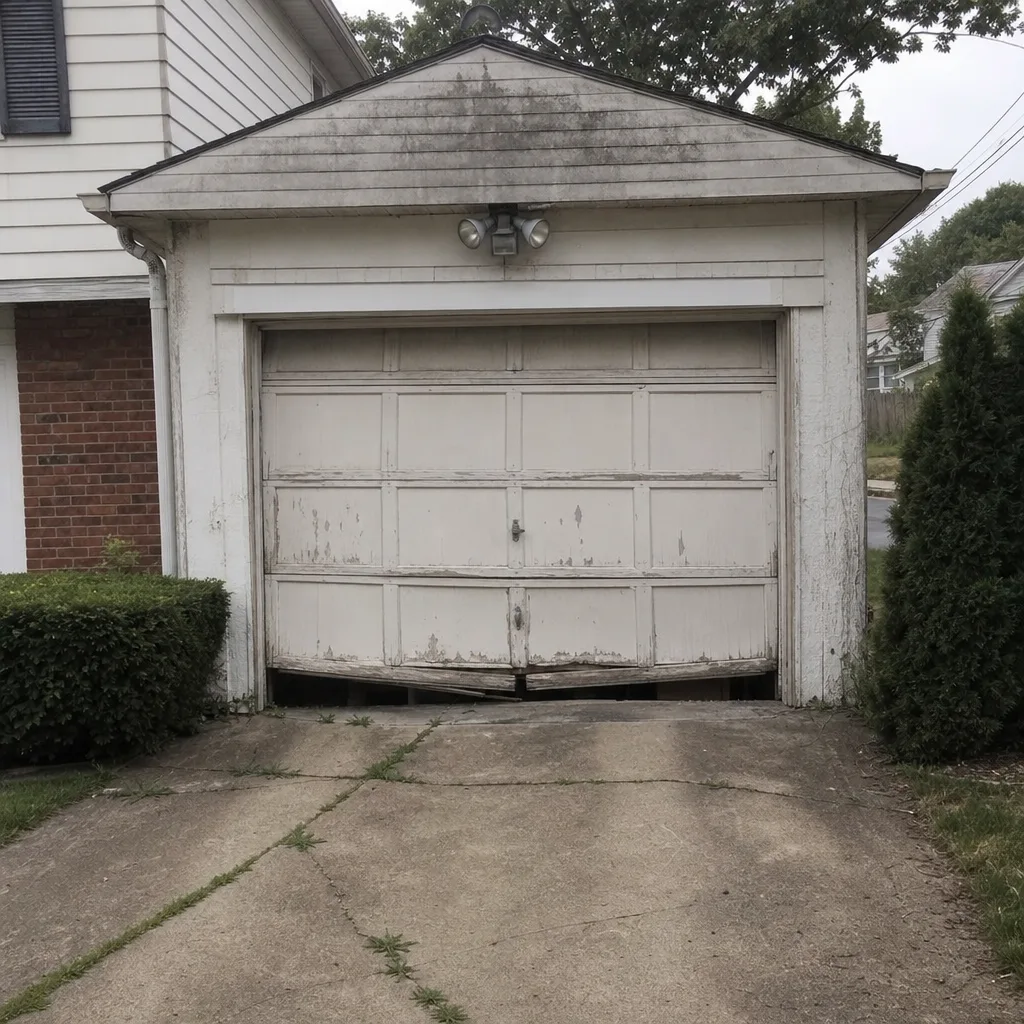 Before
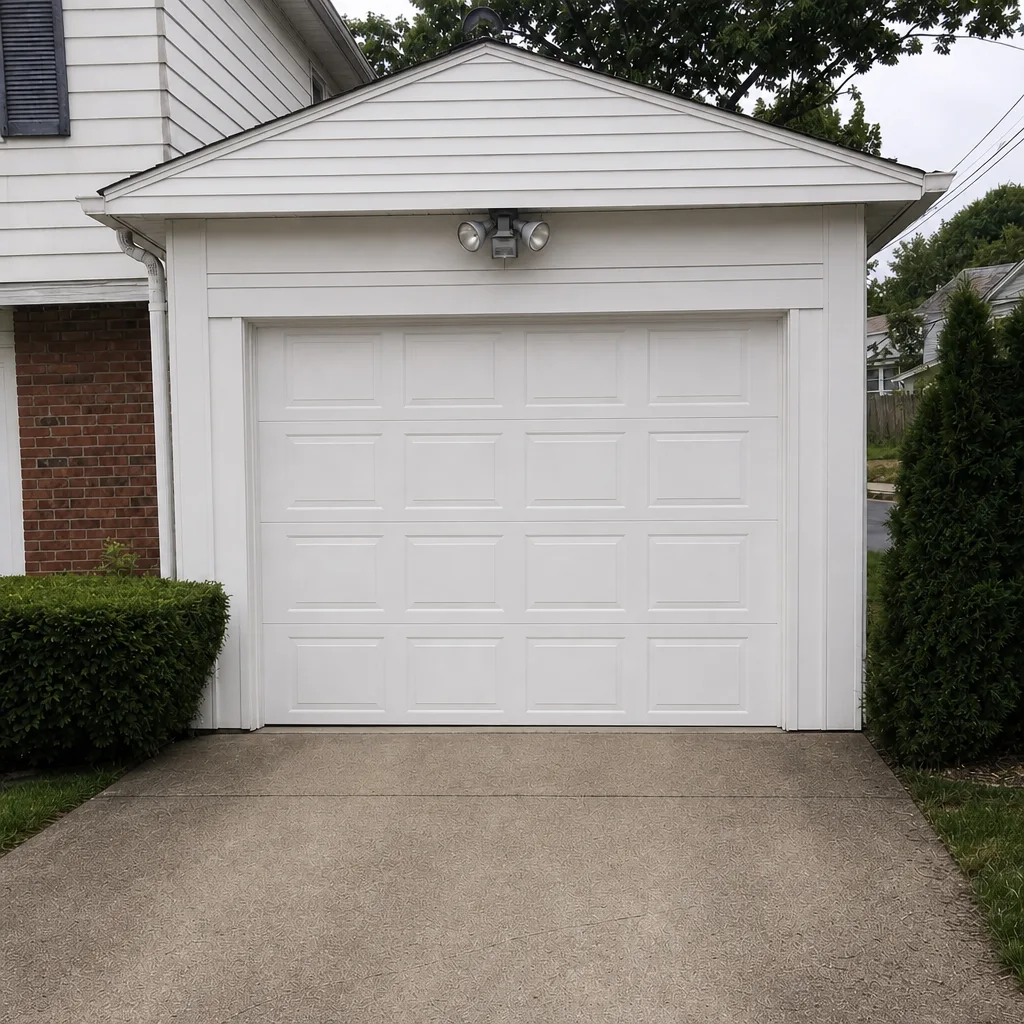 After
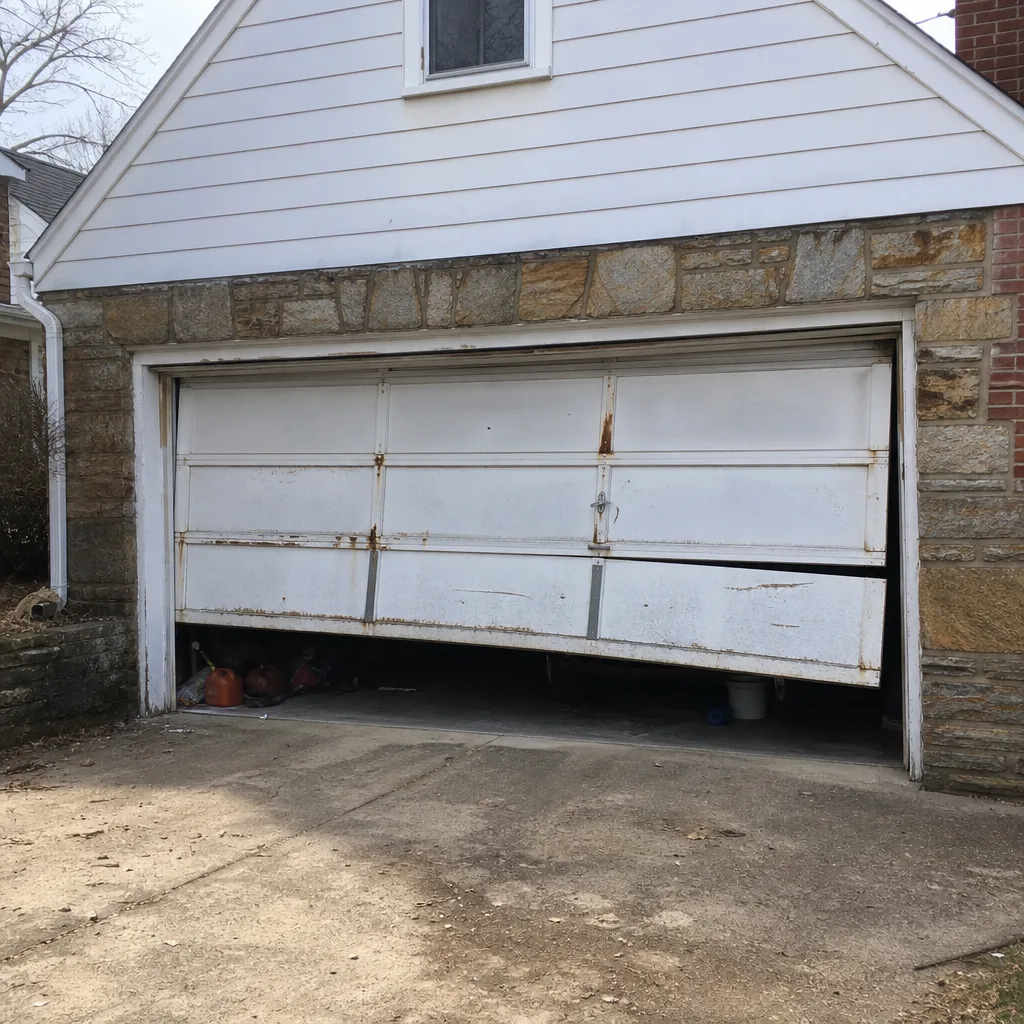 Before
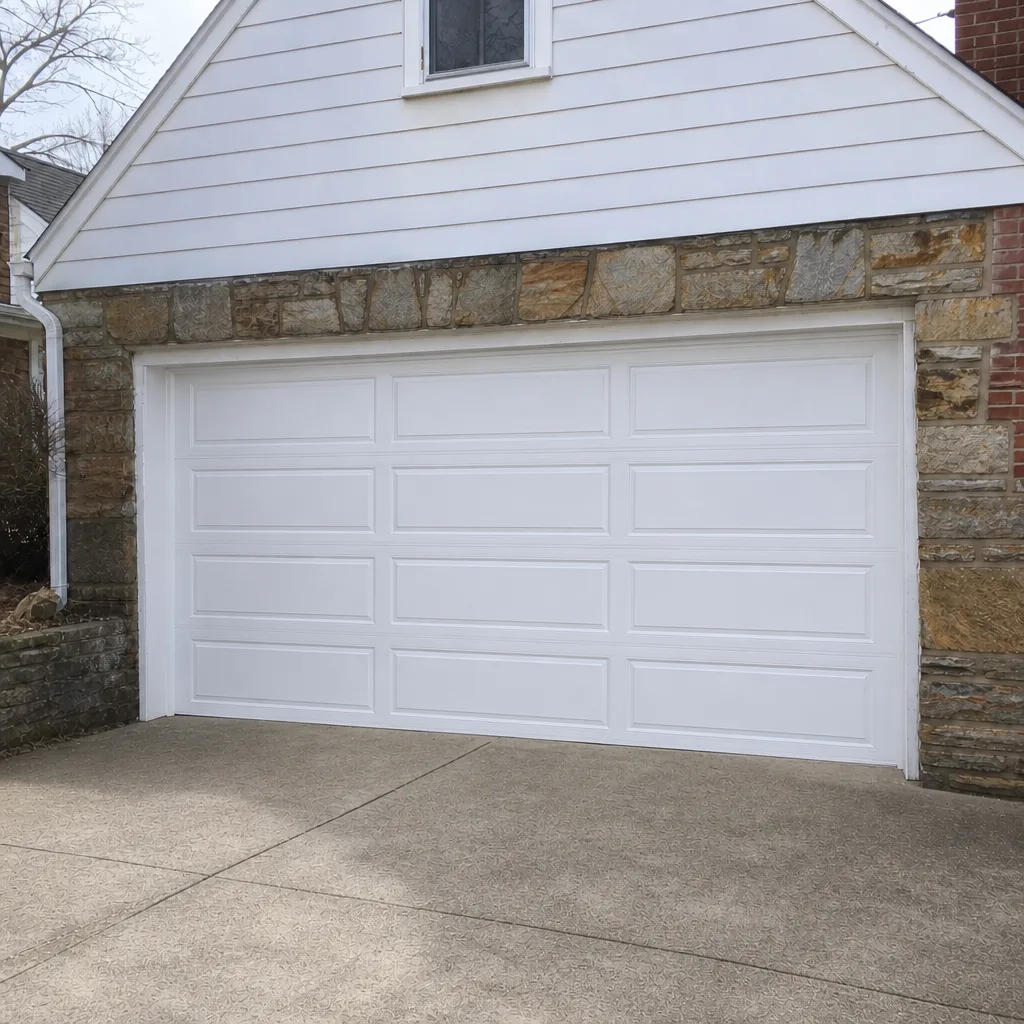 After
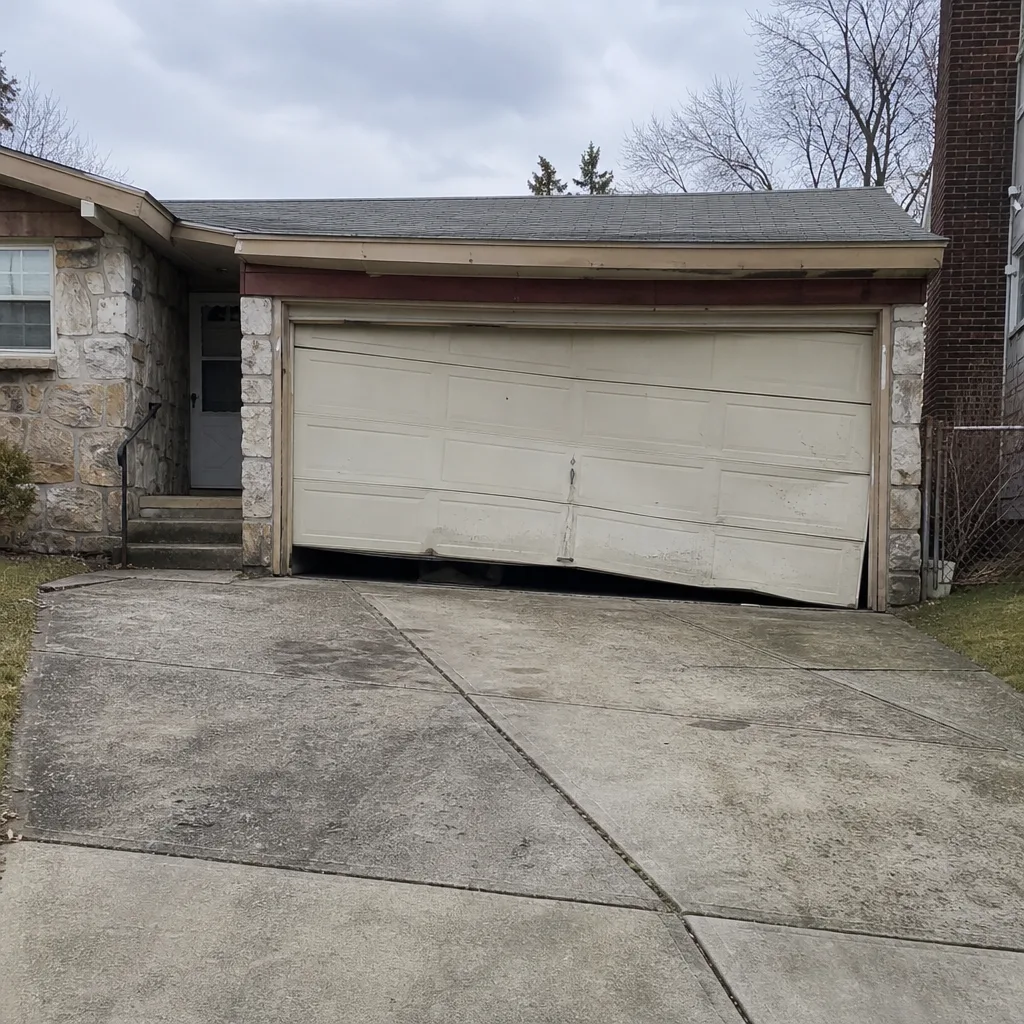 Before
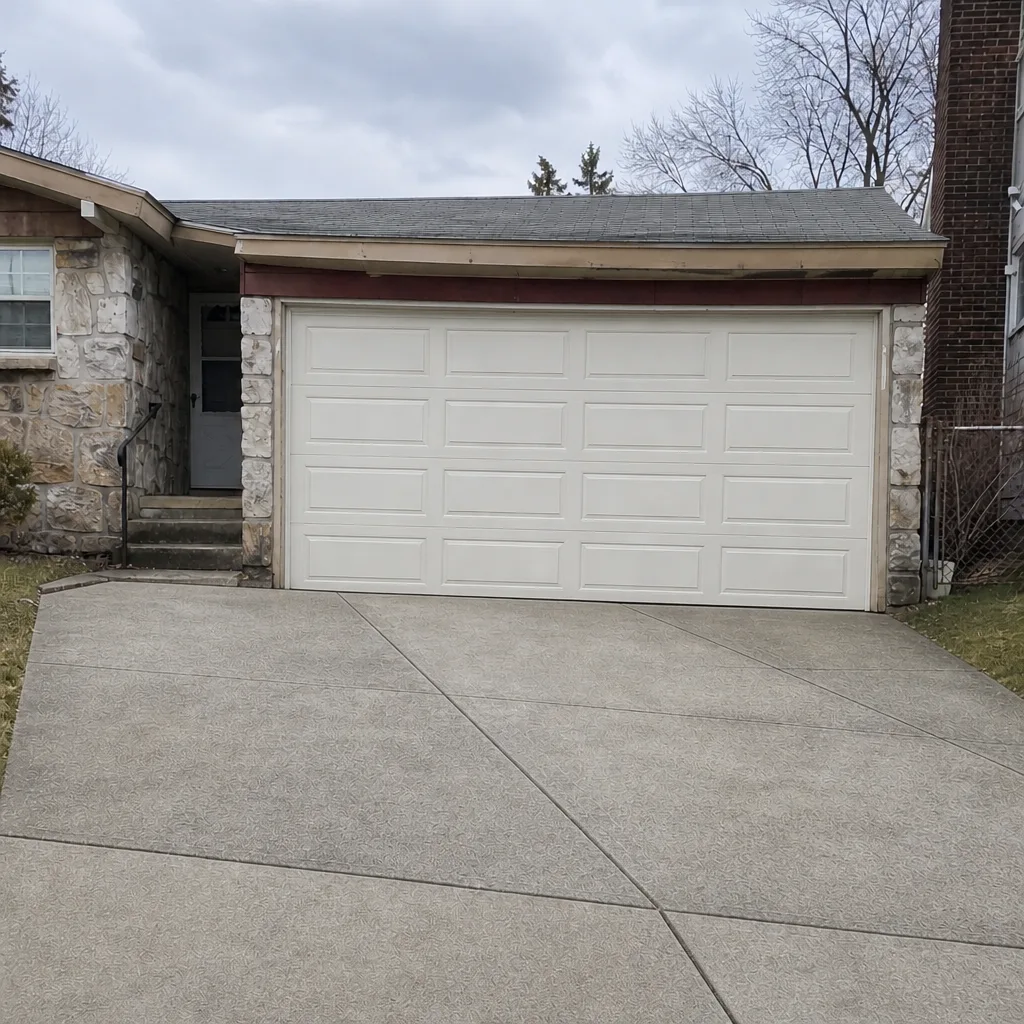 After
When to Call a Professional
Some seasonal problems are homeowner jobs, and some aren’t. Call a professional when the door won’t hold its balance after a temperature swing, when you see frayed cables or a distressed bottom bracket, when a spring has visibly changed shape or the door feels much heavier than it should, when the opener reverses or stalls and a force limit adjustment doesn’t fix it, or when a stuck door is blocking a car or keeping the house open to the weather. Those are the situations where a specialist’s diagnosis saves time and money. For a Stuck open or stuck closed, we treat it as an emergency. Garage Door Repair Rhawnhurst offers free estimates in Rhawnhurst – call (877) 492-3530. We answer 24/7, with fast dispatch from 7am to 7pm, Sunday through Friday.
Frequently Asked Questions
Four times a year, matched to the season, because Rhawnhurst’s freeze-thaw cycle creates a different wear pattern than a steady cold winter. Fall is for weatherstripping and balance checks, winter is for opener force adjustments, spring is the cable and bracket inspection, and summer is for heat expansion and humidity swelling checks. Each season catches a different failure risk before it becomes a repair. Call (877) 492-3530 for a free estimate on any issue an inspection turns up.
Cold weather thickens the lubricant in the door’s moving parts and raises the resistance the opener has to overcome. An opener whose force limit is set close to the edge will stall or reverse when that resistance rises. On LiftMaster and Chamberlain units, the force limit can be raised slightly to compensate, but the adjustment is small and the wrong screw is easy to find first. Call (877) 492-3530 if the door needs more than a small adjustment; that usually points to a mechanical issue.
Before the first hard freeze, and ideally in early to mid-fall so the seal can compress and seat properly in mild temperatures. A seal installed during a freeze is brittle and likely to fail again by January. Test it by running your hand along the closed door’s floor line; if you feel cold air or see daylight, replace the seal. Call (877) 492-3530 for a free estimate if the bottom rail or panel edge is also damaged.
No. Torsion and extension springs are under extreme tension and cause serious injuries when they release unexpectedly. A visual check for shape changes is fine, but any adjustment or replacement belongs to a trained technician. Our technicians have up to 14 years of experience handling springs as a front-line service, and we treat them as a safety issue first. Call (877) 492-3530 for a free estimate if your door has lost its balance.
Heat makes steel panels expand slightly, which can narrow the track gaps and make the rollers ride tight. On wood composite doors, humid summer air causes swelling at the panels and bottom rail. Both are seasonal expansion effects, not new mechanical failures. A track adjustment or a reseal handles most cases, and a repair visit will confirm what’s needed. Call (877) 492-3530 for a free estimate.
An emergency call covers a stuck door that’s blocking a car or leaving the house open to the weather, an off-track door, or a broken spring that’s made the door unusable. A standard appointment covers planned maintenance, inspection, and scheduled repair. We answer 24/7, and a call outside dispatch hours is booked into the next opening, Sunday through Friday, 7am to 7pm. For a planned replacement or a new door, we measure, order, and schedule, so plan ahead. Call (877) 492-3530 for a free estimate.
The Bottom Line
Rhawnhurst garage door care isn’t a twice-a-year checklist. It’s a four-season schedule that works with the local freeze-thaw cycle instead of against it. Fall is for weatherstripping and balance before the first hard freeze. Winter is for the small opener force adjustment that keeps the door moving through cold resistance. Spring is the post-winter cable and bracket inspection, and summer is for heat expansion checks on steel and humidity checks on wood composite doors. Add alley-side track cleaning to the routine and most failures get caught before they happen. When a check reveals a problem in a spring, cable, or bottom bracket, that’s a trained technician’s job, not a homeowner’s.
If a seasonal check turns up something that needs a look, call (877) 492-3530 for a free estimate. We answer 24/7, with fast dispatch from 7am to 7pm, Sunday through Friday. The written estimate sets the price before any work starts.
Written by the team at Garage Door Repair Rhawnhurst.